
Every other home gym aesthetic asks the space to become something it wasn’t.
The Athlete Cave asks a garage to become a focused, raw training facility. The Clean Minimalist asks a spare bedroom to become a precise, edited environment. The Performance Studio asks a room to become a boutique fitness experience. Each aesthetic imposes a vision on the space and asks the space to conform to it.
The Naturalist gym asks something different entirely.
It asks the space to become more of what it already is — warmer, more alive, more connected to the natural world just outside the window. The sage green walls are not a design choice imposed on a neutral room. They are the room acknowledging what it always wanted to be. The plants are not decorative additions to a training space. They are living elements that make the training space genuinely different from every other room in the house. The cork floor underfoot is not a flooring material chosen for its gym performance characteristics. It is a natural material chosen because it makes the space feel organic in a way that rubber and steel never could.
The Naturalist spare bedroom gym is built on a single conviction that no other archetype shares: the body performing in this space is itself a natural thing — and it deserves an environment that honors that.
What follows is everything you need to build one.
What Makes the Naturalist Spare Bedroom Gym Different
The first thing most people notice about a well-built Naturalist gym is the plants. The second thing they notice is the light. The third thing — the one they notice but can’t quite name — is that the space feels alive in a way that most gyms don’t.
That quality is not accidental. It is designed.
Three things define the Naturalist spare bedroom gym in ways that distinguish it from every other approach to home gym design.
The floor
The floor establishes the organic quality of the space before a single plant is introduced or a piece of equipment is positioned. Warm cork tiles or honey-toned engineered wood throughout the entire room — not just the training zone — create the foundational warmth that the Naturalist aesthetic depends on. A natural rubber mat overlay in the training zone only provides the protection and grip that training requires while preserving the warm floor material everywhere else. The floor border visible around all four edges of the mat is not incidental — it is the design element that communicates the intentional nature of the training zone without hardening the entire room into something it was never meant to be.
The plants
Plants in this space are structural. Not decorative, not optional, not an afterthought added after the equipment arrived. In the Naturalist spare bedroom gym the plants are as essential to the design as the flooring and the equipment — they are the living component that no synthetic material can replicate and the element most responsible for the quality that makes this space genuinely different from a room with equipment in it. A Naturalist gym without healthy, maintained plants is not a Naturalist gym. It is a gym with nice flooring.
The light
Lighting is designed around rather than supplemented after the fact. The window — its position, its size, the quality and direction of light it delivers at different times of day — shapes every other decision in this space from wall color to plant selection to training schedule. The Naturalist gym is the only archetype in this guide where the window is as important as the equipment list. Understanding what the window provides before deciding anything else is the sequencing principle that separates a genuinely Naturalist gym from one that uses natural materials without achieving the quality of environment those materials are capable of creating.

Related Post: Spare Bedroom Home Gym Ideas (complete transformation guide)
The Space Setup and Mistakes to Avoid
The Naturalist spare bedroom setup section is longer than the equivalent section in the Clean Minimalist articles because the Naturalist gym requires one category of guidance that no other archetype needs — plant selection, plant placement, and plant maintenance in a training environment. That guidance is not peripheral to the aesthetic. It is central to it. A Naturalist gym built without understanding how to keep plants alive in the conditions a training space creates will look correct for approximately six weeks and then quietly become something else.
Wall color
Soft sage green throughout — muted, botanical, the color of dried eucalyptus or lichen. Not bright green, not dark forest green, not olive. A quiet, mid-tone sage that reads as calm and alive simultaneously — the color that makes a room feel like it is part of the natural world rather than separated from it.
Benjamin Moore Pale Smoke and Sherwin-Williams Clary Sage are both specifically correct reference points for this tone. Both read as green in daylight and as a soft warm neutral in lower light conditions — which is the quality that makes them work in a room used for both training and sleeping. Flat or matte finish throughout — the same reasoning as the Clean Minimalist aesthetic. Flat finish absorbs light rather than reflecting it and creates the soft, even quality of illumination that sage green walls need to read as intentional rather than institutional.
For rooms with limited natural light — a north-facing window, a window partially blocked by a neighbouring building or tree — warm white is an acceptable and genuinely beautiful alternative. Warm white with cork flooring and abundant plants produces a Naturalist gym that is slightly less bold than the sage green version but no less organic in its material quality. The plants and the floor carry the aesthetic even when the walls cannot.
Flooring
Cork tiles in a natural honey finish or engineered hardwood in a warm oak tone throughout the entire room. Avoid dark rubber! No charcoal tiles. Steer clear of anything that reads as industrial or athletic rather than organic and residential.
The natural rubber mat overlay in the training zone sits directly on the cork or wood floor — a large format mat in warm sand, slate, or natural tan. The size of this mat should be generous enough to cover the full training zone including the space needed for floor work, yoga, and any equipment footprint. The warm cork or wood border visible around all four edges of the mat is the design element that makes the training zone feel deliberate — a zone within a room rather than a room converted into a zone.
The transition between the mat and the surrounding floor should be clean and level. Interlocking mats with uneven edges or a mat that curls at the corners breaks the visual precision of the zone boundary. Use a mat with a flat, clean perimeter or weight the edges with equipment positioned along the wall.
Lighting
Before anything artificial is considered, maximize what the window provides.
Remove any heavy curtains or blinds that block natural light from reaching the training zone and replace them with sheer linen panels in white or natural that diffuse daylight without blocking it. The quality of natural light in a sage green or warm white room with sheer curtains is the defining sensory characteristic of the Naturalist spare bedroom gym. It is warm, soft, and alive in a way that no artificial source fully replicates. Protect it before adding anything else.
For early morning and evening sessions when natural light is insufficient, warm white LED supplemental lighting at 2700K maintains the daylight quality of the space. A single floor lamp with a warm-toned bulb positioned near the window creates a quality of light that mirrors morning daylight well enough that the room feels consistent across different training times. A small LED strip along the ceiling edge above the training zone adds warm directional light for sessions in lower natural light conditions.
The light matters for the plants as much as for the training. Position plants near the window before positioning them for aesthetic effect within the training zone. A plant that receives sufficient natural light is a healthy plant. A healthy plant is a Naturalist gym element. A struggling plant is a contradiction of everything the space is designed to be.
Plants — the section no other archetype needs
The plants in a Naturalist gym are not chosen for how they look in a mood board. They are chosen for how they will perform in the actual light conditions of the actual room.
This distinction is the one that separates a Naturalist gym that maintains its character over years from one that looks correct for six weeks and then quietly begins to fail.
Three plants thrive in most spare bedroom environments regardless of window orientation and make the most reliable choices for the training zone: pothos, snake plant, and ZZ plant. All three tolerate low to moderate indirect light, irregular watering, and the temperature fluctuations that a room used for training experiences. All three grow with genuine presence — the pothos trails dramatically from a shelf, the snake plant stands architecturally upright, the ZZ plant develops a full rounded form that reads as a substantial plant presence rather than a small decorative gesture.
For rooms with a generous south or east-facing window that receives direct or strong indirect sunlight for several hours per day, three more dramatic plants become viable: monstera deliciosa, fiddle leaf fig, and bird of paradise. All three produce the large-leaf tropical presence that Naturalist gym reference images typically feature — but all three will decline in rooms that cannot provide adequate light. Assess the window honestly before committing to any of these three.
Plant upkeep
Plant placement within the training zone follows one rule above all others: natural light before aesthetic positioning. The largest plant in the training zone belongs near the window — in the corner closest to the light source, where it receives the most consistent natural illumination. The trailing plant on the floating shelf above the equipment rack should be a pothos or similar species that tolerates the slightly lower light of an interior wall position and produces the long trailing vines that spill over the shelf edge and make the storage area feel alive rather than utilitarian.
Two maintenance habits specific to a training environment keep Naturalist gym plants healthy. Mist the leaves of tropical plants after training sessions — the temporary humidity spike that exertion produces mimics the humid environment these plants evolved in, and misting captures that humidity before it dissipates. Group the plants together where possible rather than distributing them individually around the room — plants grouped together create a micro-humidity environment that benefits all of them simultaneously.
One rule that admits no exceptions: replace any plant that is visibly struggling immediately. A yellowing leaf managed for weeks, a plant that has stopped growing and begun declining, a pot of dry compacted soil that receives water only when the situation becomes visibly dire — these are not acceptable in a Naturalist gym. A dying plant in this space is the most visible possible contradiction of what it stands for. A fresh healthy replacement is always the correct response.
Storage
Natural wood floating shelves in a light finish — rough-sawn edge, warm oak or ash tone — mounted above the equipment rack at standing height. The shelf holds the trailing plant on the left, a natural linen water bottle or ceramic water vessel in the center, and a small additional plant or accessory on the right. Three items. The shelf is a design element as much as a storage surface — its contents are curated rather than accumulated.
Natural fiber baskets in seagrass, jute, or woven cotton — warm neutral tones — for accessory storage at floor level or on a secondary shelf. One basket for resistance bands and mobility accessories. One basket for yoga props if the yoga setup is primary. The baskets read as living room décor in the Naturalist space rather than gym storage — which is the quality that makes this storage approach appropriate in a room that also serves as a sleeping space.
Natural wood dowel hooks rather than matte steel hooks for resistance band storage. The material difference between a wood dowel hook and a steel hook is functionally negligible and aesthetically significant in the Naturalist space. Wood hooks read as organic and considered. Steel hooks read as gym hardware. In this specific aesthetic that distinction matters.

Related Post: Home Gym Layout Mistakes: decisions that cost people time and money
The three mistakes specific to the Naturalist spare bedroom
The first mistake is installing dark rubber flooring throughout the room. This is the most common Naturalist gym error and the one with the most immediate and visible consequences. Dark charcoal or black rubber flooring is Athlete Cave and Industrial Loft material — it absorbs the light, contradicts the warmth, and makes a sage green room with natural wood accents look like a space where the wrong gym was installed. Cork or warm wood throughout with a natural rubber mat overlay in the training zone only is the only flooring approach that serves this aesthetic correctly.
The second mistake is choosing plants based on appearance rather than light conditions. The most beautiful plants in home gym reference images — the dramatic fiddle leaf fig, the towering bird of paradise — are also the most demanding in terms of light requirements. A fiddle leaf fig in a north-facing room with one small window will be struggling within four to six weeks and declining visibly within three months. The discrepancy between how the plant looks in the mood board and how it performs in the actual room is one of the most demoralizing experiences a Naturalist gym builder encounters. Match the plant to the light. Always.
The third mistake is closing the window during training sessions. The Naturalist gym’s connection to the outside environment is designed into the aesthetic — it is not optional and it is not merely sensory. Fresh air circulation during training has documented physiological effects on perceived exertion and core temperature management that make open-window training genuinely more sustainable than sealed-room training. Open the window before every session. The plants benefit. The training benefits. The space becomes what it was designed to be.
Training Setup 1: Cardio and Conditioning
For the reader whose primary training goal is cardiovascular fitness, endurance, or athletic conditioning — drawn to the Naturalist aesthetic because training in a warm, living, naturally ventilated space feels fundamentally different from a sealed gym environment.

The Naturalist spare bedroom cardio setup has one significant advantage over every other archetype and room type in this guide. The open window.
Fresh air circulation during cardiovascular training is not a sensory preference in this space — it is a functional training asset. Natural ventilation reduces perceived exertion during sustained effort, lowers core temperature more effectively than still indoor air, and creates the specific sensory conditions that make longer cardio sessions genuinely more sustainable than the same session in a sealed room. The Naturalist gym is the only archetype where the training environment actively assists the cardiovascular training happening inside it.
The Equipment
For the primary cardio equipment, look for a compact folding option in a warm neutral or light finish — not black, not bright chrome. A walking pad or compact rower in white, warm grey, or a light natural tone stores flat against the training zone wall or under the bed between sessions and does not visually disrupt the organic warmth of the space when deployed. The finish and profile of the cardio equipment matters in the Naturalist gym in a way it doesn’t in the Athlete Cave — because this room is alive and considered and a piece of equipment with the wrong visual language reads as an intrusion rather than a belonging.
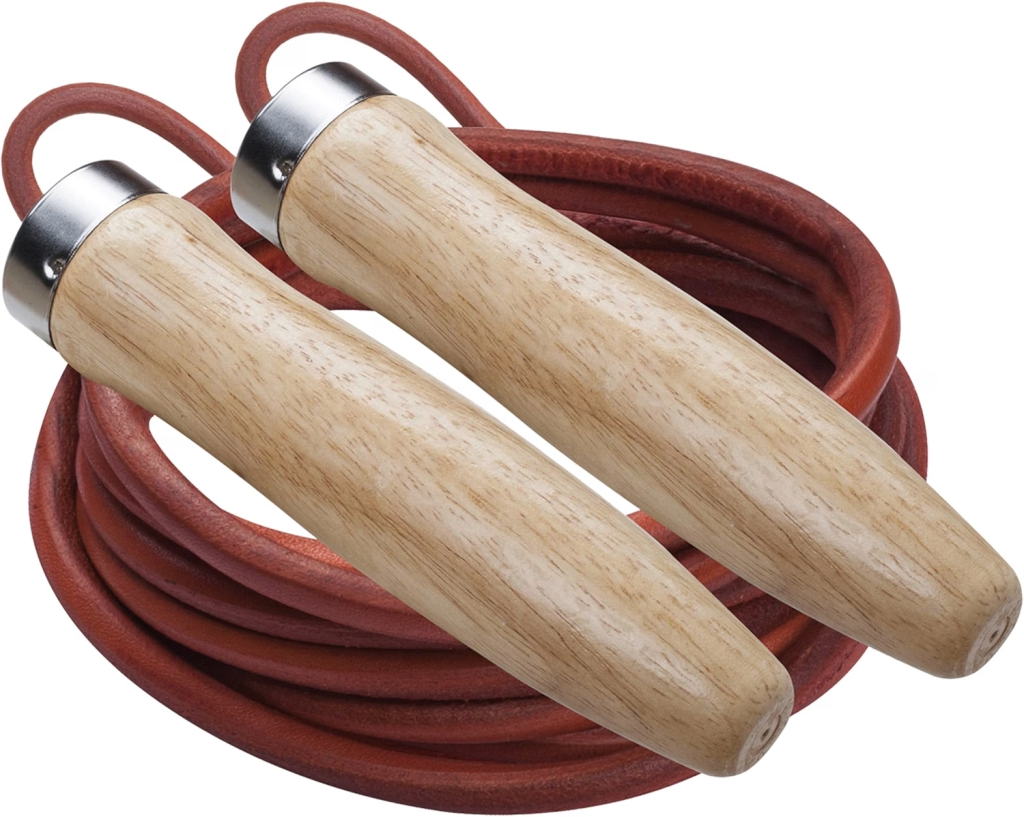
A jump rope in a natural or earth tone colorway stored on a natural wood hook adds high-intensity interval work with zero equipment footprint and zero visual impact when stored. Ten to fifteen minutes of jump rope intervals at the open window — fresh air, natural light, the sounds of the outdoor environment present at the edge of the training session — produces a cardiovascular training experience that no sealed gym can replicate regardless of its equipment inventory.
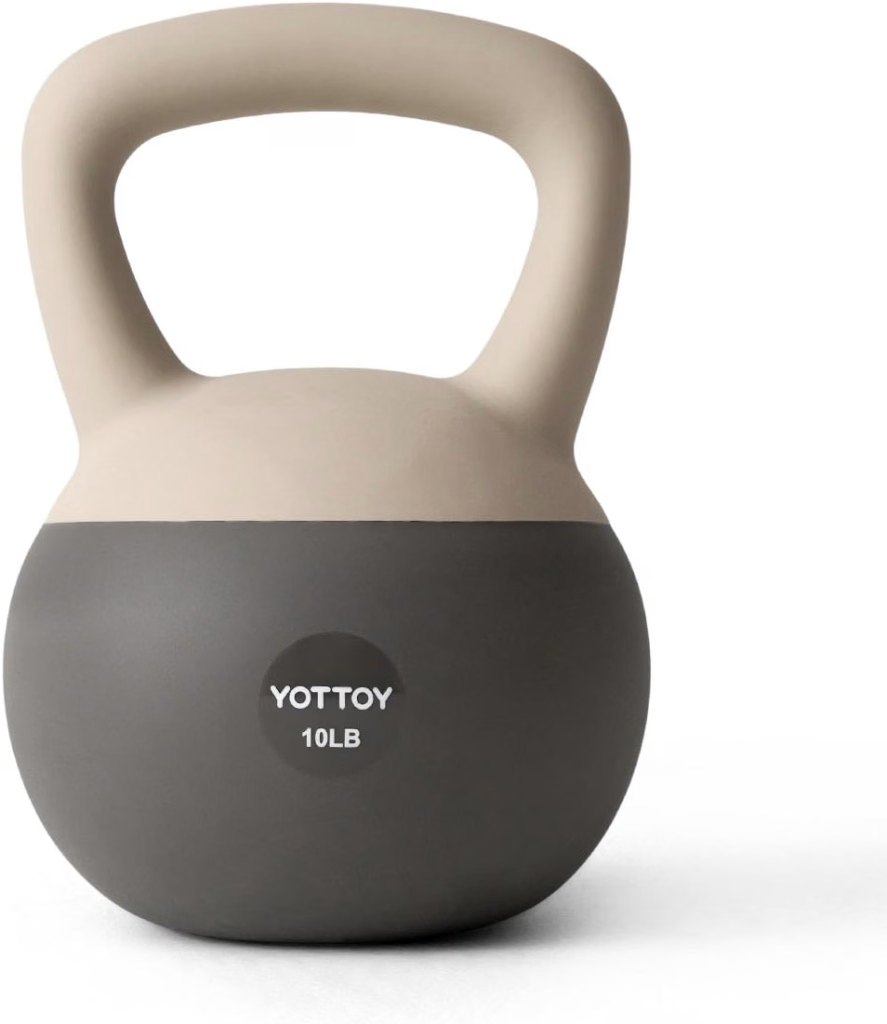
For conditioning work that combines cardiovascular demand with strength — resistance bands in earth tones and a cast iron kettlebell at an appropriate working weight handle the complexes and circuits that develop both cardiovascular capacity and functional strength simultaneously. A kettlebell swing series performed in a sage green room with the window open and morning light crossing the cork floor is not just a conditioning workout. It is the Naturalist training experience at its most complete.
KINGSMITH Foldable Water Rowing Machine

Champion Sports Wood Handle Jump Rope
YOTTOY Soft Kettlebell
The outdoor connection consideration applies most directly to this setup. If the spare bedroom has a window that opens to a garden, a balcony, or outdoor space, a portion of the cardio session — the warm-up run, the jump rope intervals, the cool-down walk — can happen outside with the training zone serving as the base. The Naturalist gym exists on a genuinely permeable boundary between interior and exterior training environments. Use it.
Training Setup 2: Yoga, Mobility, and Mindful Movement
For the reader whose primary training modality is yoga, mobility work, or any mindfulness-based movement practice that benefits from a calm, organic, and living environment.

The Naturalist spare bedroom is the most genuinely appropriate home gym environment for yoga and mindful movement of all five archetypes in this guide. Not because it resembles a yoga studio — it doesn’t, particularly. But because the organic materials, living plants, natural light, and gentle scent of a well-maintained Naturalist space create the specific sensory conditions that support a mindfulness-based practice in a way that no other aesthetic does.
The Clean Minimalist gym supports yoga through its calm and visual restraint. The Naturalist gym supports yoga through something deeper — the sense that the space itself is alive and present alongside the practice happening inside it.
The Equipment
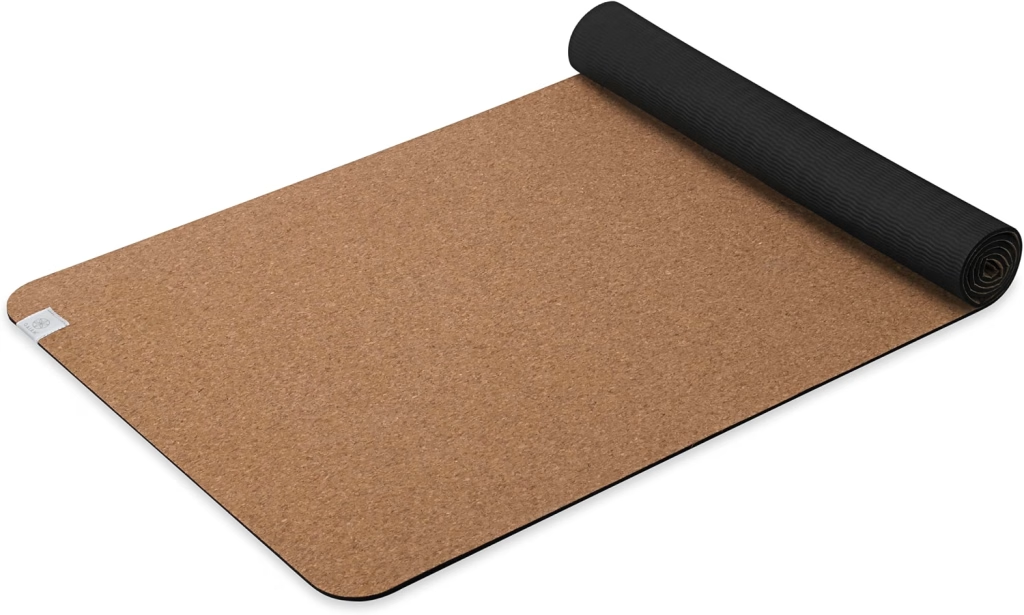
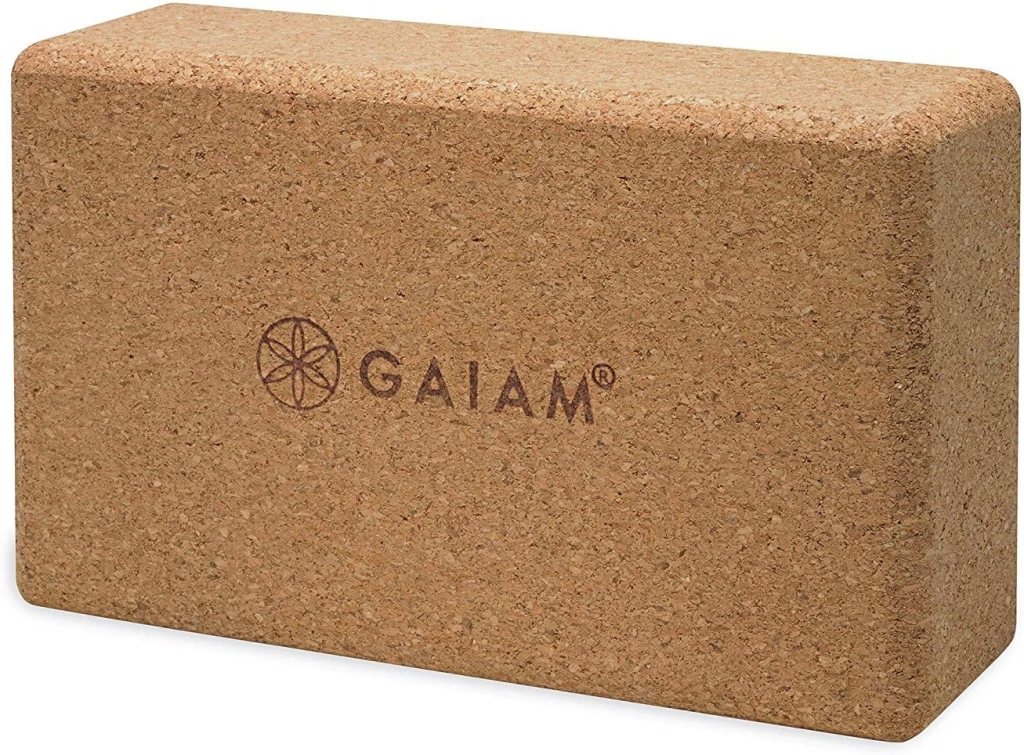
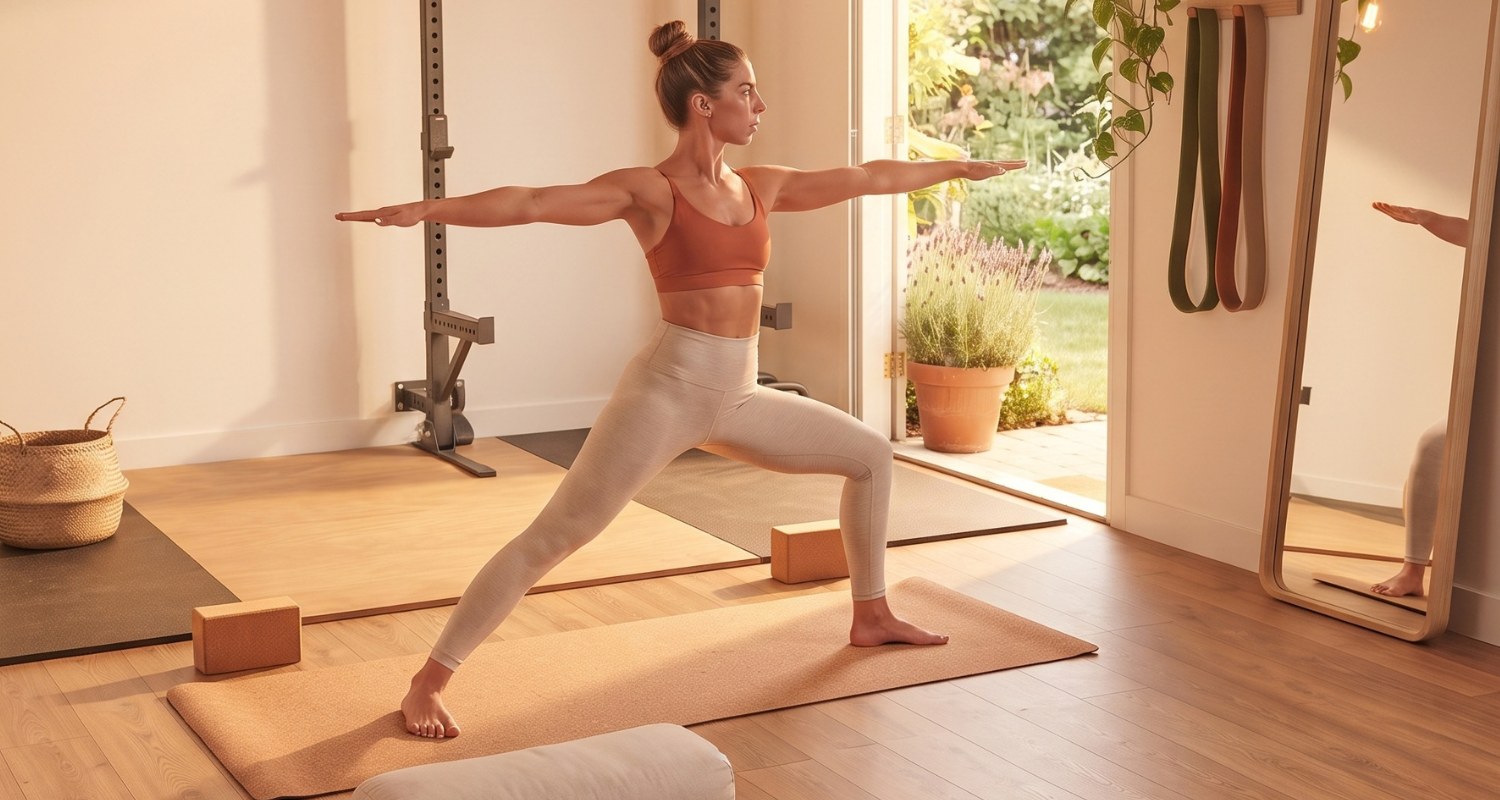
For the primary mat, look for a cork or natural rubber option in a warm neutral colorway — warm tan, natural cork tone, or slate. Cork is the most Naturalist-appropriate mat material available — organic in origin, warm in color, naturally antimicrobial, and textured in a way that reads as a natural material rather than a synthetic training surface. The cork grain visible under morning light is one of the most visually distinctive details in a well-photographed Naturalist gym and one of the most immediately appealing to the aesthetic’s target reader. Two matching cork yoga blocks complete the foundation of a genuine yoga practice — not props to be used occasionally but tools that enable the depth of pose that a practice without them quietly avoids.
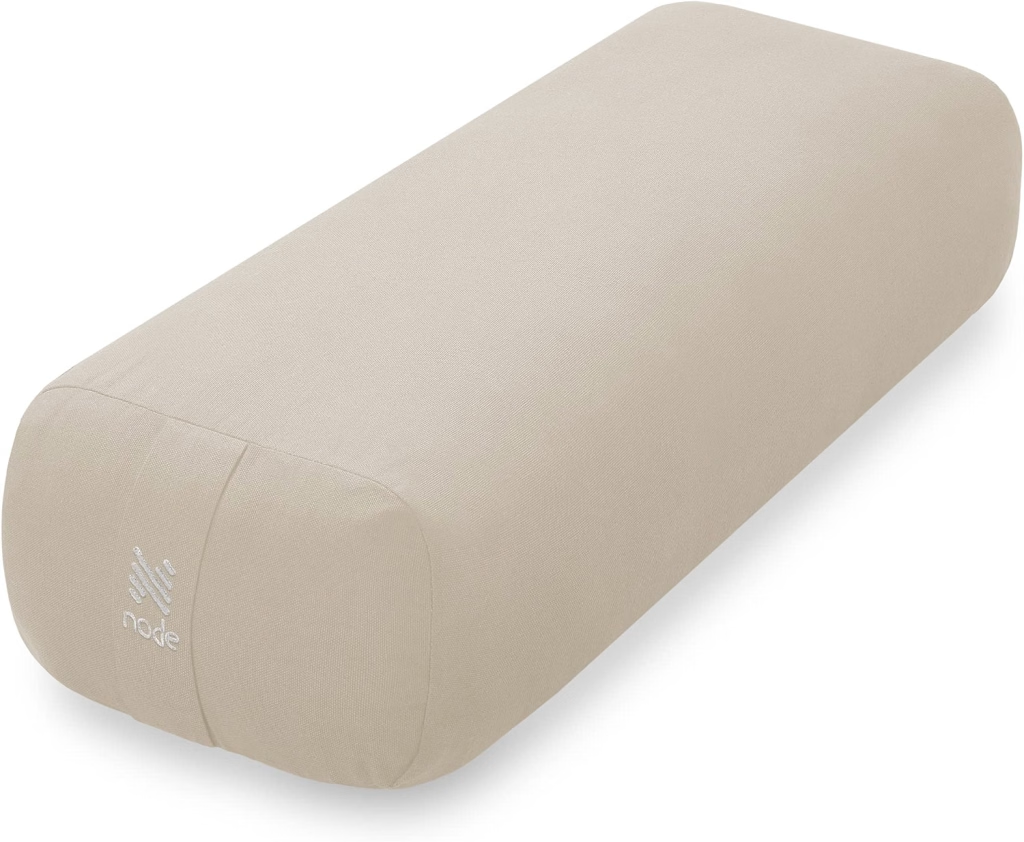
A bolster in natural linen or cotton fabric in a warm neutral colorway enables the restorative and yin practice that distinguishes genuine recovery work from simple stretching. In the Naturalist gym the bolster stores in the natural fiber basket at the edge of the training zone — its linen texture and warm color read as belonging in the space in a way that a synthetic bolster in a bright color never would.
Earth tone resistance bands on the natural wood dowel hooks complete the mobility and assisted stretching work that bridges yoga and active recovery. The banded hip openers, shoulder mobility sequences, and assisted hamstring work that use light to medium resistance bands extend the benefit of both the yoga practice and any strength training that shares this space.
Gaiam Cork Yoga Mat
Gaiam Yoga Block
NODE Fitness Yoga Meditation Cushion
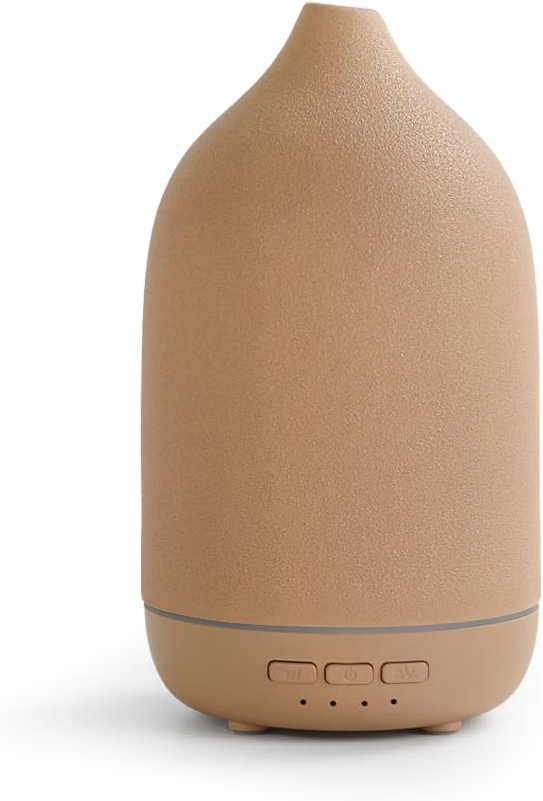
Zeigga Lab Essential Oil Diffuser
If the window faces east or south and receives strong morning light between 6:30 and 8am, schedule yoga sessions for those hours without negotiation. The quality of morning light crossing a cork mat in a sage green room with sheer linen curtains and a healthy monstera in the corner is the Naturalist gym’s most powerful training asset — and it is available for free every morning to anyone who builds this space and shows up when the light is best.
A small ceramic diffuser with eucalyptus or peppermint essential oil running during yoga sessions uses the full sensory environment of the space as a training tool. Both eucalyptus and peppermint have documented effects on alertness and perceived exertion — eucalyptus opens the airways and supports sustained breathing practice, peppermint increases alertness and reduces the perception of physical effort. Keep the scent subtle. This is not aromatherapy for its own sake. It is using every dimension of the Naturalist environment intentionally.
Training Setup 3: Resistance and Functional Strength
For the reader who wants a complete strength and conditioning program using resistance bands, kettlebells, and bodyweight as the primary tools — drawn to a training philosophy that uses the full range of human movement rather than machine-isolated exercises.

The resistance and functional strength setup is the most visually distinctive training configuration in the Naturalist spare bedroom gym. Cast iron kettlebells lined up on a natural wood shelf, earth tone resistance bands hanging on wood dowel hooks, a cork mat unrolled in the training zone — the equipment in this setup contributes to the aesthetic of the space rather than simply occupying it.
This is the training approach where the Naturalist gym’s material honesty and the training modality’s philosophical honesty align most directly. Kettlebell training and functional strength work are built around the same principle that defines the Naturalist aesthetic — that the body performs best when it is working as a whole, connected, natural system rather than as a collection of isolated parts. The environment and the training are expressions of the same idea.
The Equipment
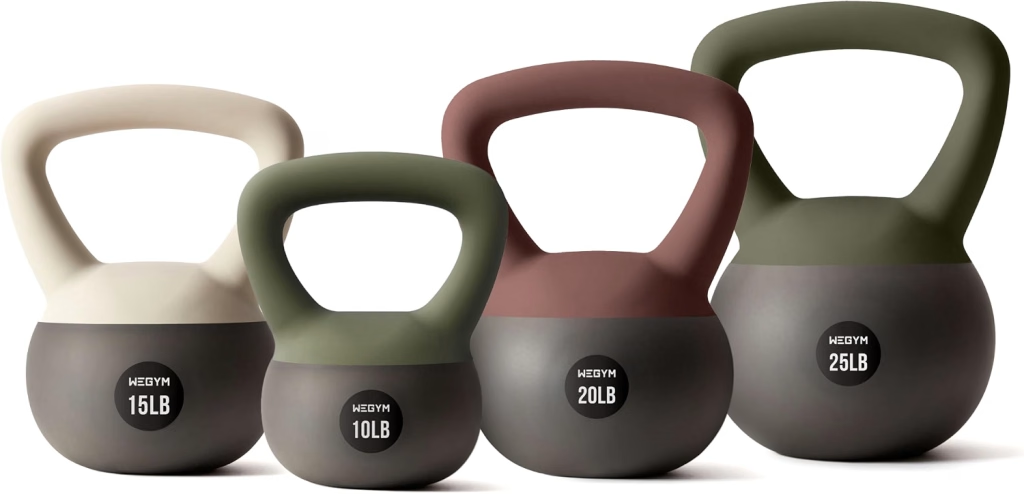
One or two kettlebells at weights that challenge the primary movement patterns — swings, presses, rows, carries, and Turkish get-ups — without being so heavy that form deteriorates before an appropriate training volume is reached.
For resistance, a full set of bands in earth tones — olive, terracotta, sand, and warm grey — handles the pulling movements, shoulder health work, and mobility drills that complement kettlebell training. In the Naturalist gym these bands hang on natural wood dowel hooks in order of resistance — the earth tones organized from lightest to heaviest creating a color gradient that reads as a design detail from across the room.
A suspension trainer on the pull-up bar anchor point adds bodyweight rows, push-up variations, and the core work that develops the functional stability and body control that this training approach prioritizes. A cork or natural rubber mat as the primary floor surface covers the training zone for the floor work, stretching, and ground-based movements that a complete functional strength program incorporates throughout every session.
WeGym Soft Kettlebell Set
TRIBE Resistance Band Set

HANDBODE Pull-Up Bar

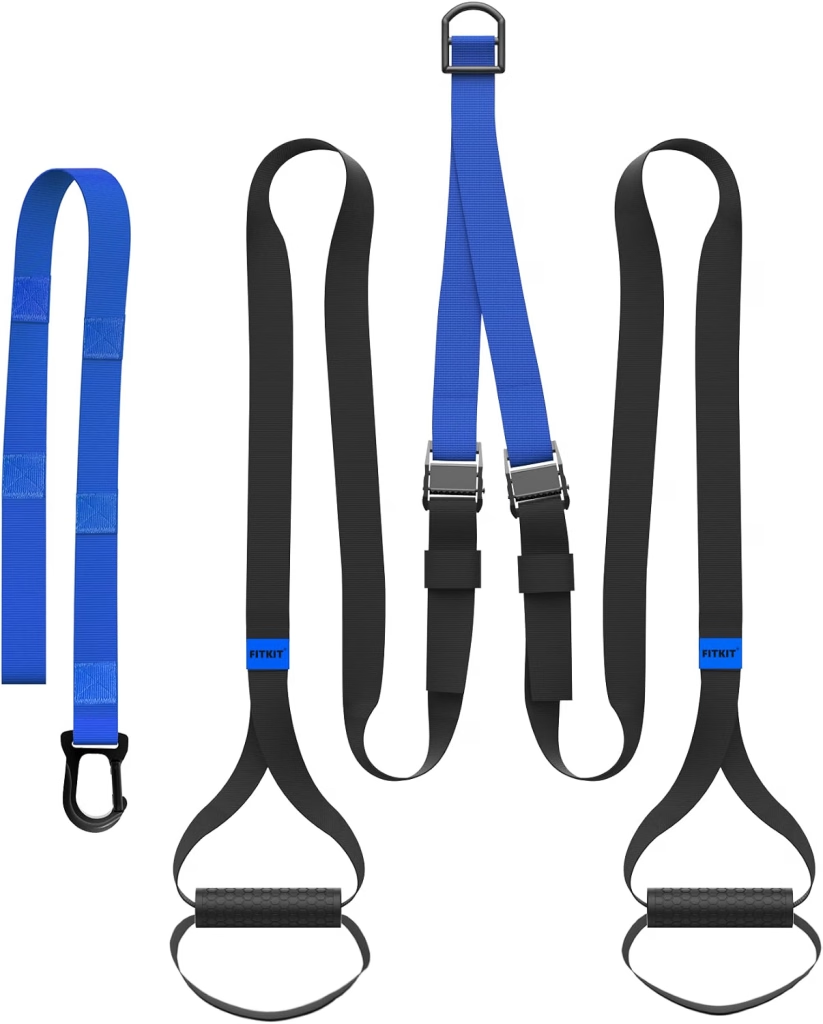
A three day per week program of kettlebell swings, presses, rows, loaded carries, and band-assisted pulling movements covers every major movement pattern and produces genuine strength and conditioning results without requiring the equipment footprint of a barbell, a rack, or a cable machine. In a Naturalist spare bedroom with the window open and morning light on the cork floor this program is exactly what the space was built to support.
[LINK: Cable Machine Alternatives for Home Gyms]
Training Setup 4: Pilates, Barre, and Low-Impact Training
For the reader whose training priorities are toning, flexibility, postural strength, and the functional physique that Pilates and barre training produces — drawn to the Naturalist aesthetic because the warm, organic, living environment supports the body-aware nature of these practices.

Pilates and barre training have a specific relationship with environment that most other training modalities don’t share. The quality of the space — its light, its warmth, its visual calm — directly affects the quality of the practice that happens inside it. A Pilates session in a fluorescent-lit, rubber-floored, equipment-dense space produces a different quality of attention and body awareness than the same session in a warm, naturally lit, organically furnished room.
The Naturalist spare bedroom is the second most appropriate home gym environment for Pilates and barre training after the Performance Studio — and for practitioners who find the Performance Studio’s precision and studio-grade formality at odds with the body-connected, internally focused quality of their practice, the Naturalist gym is actually the more appropriate environment. The warmth and organic quality of the space creates a Pilates atmosphere that the cool precision of the Performance Studio doesn’t provide.
The Equipment
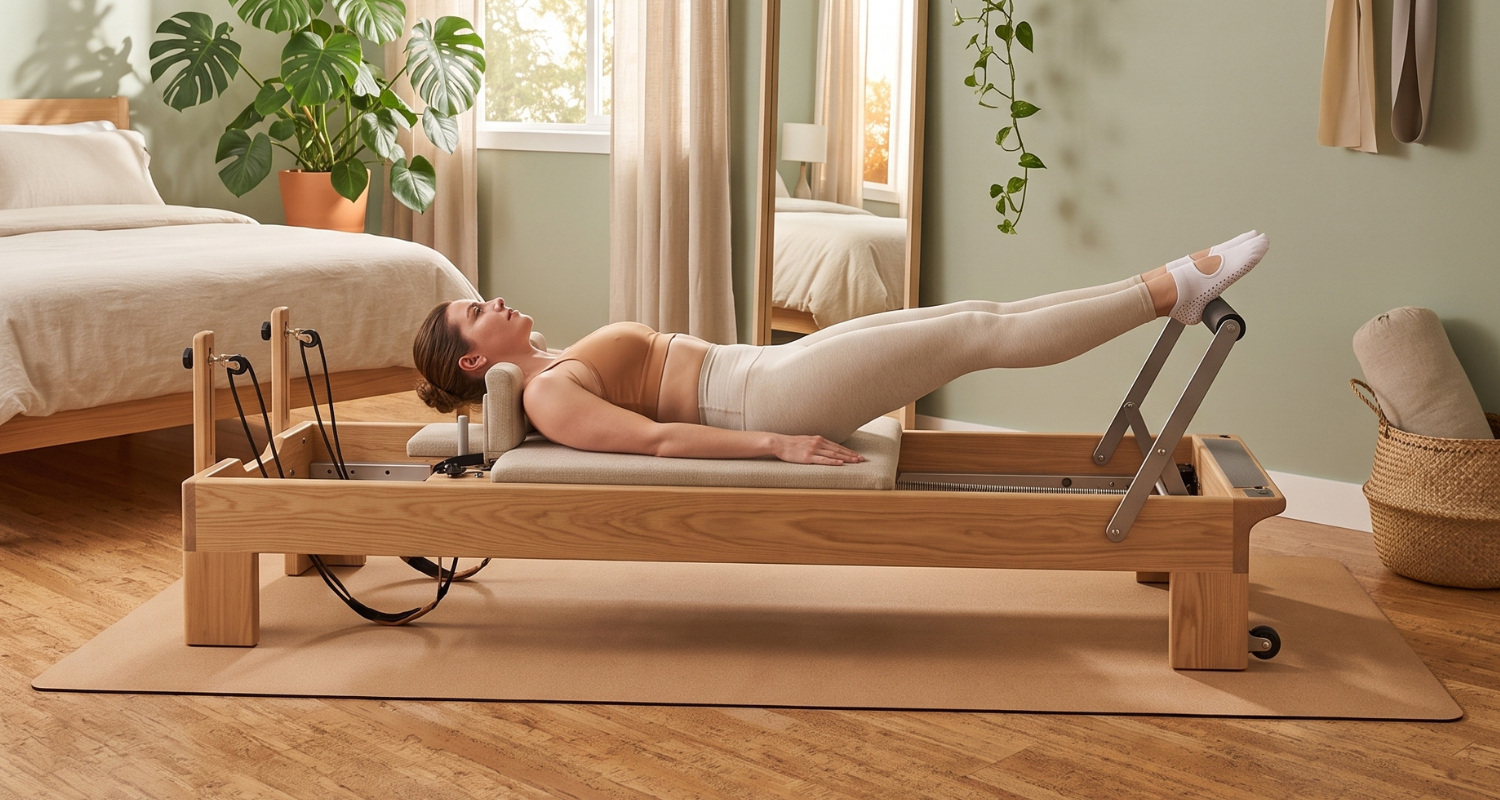
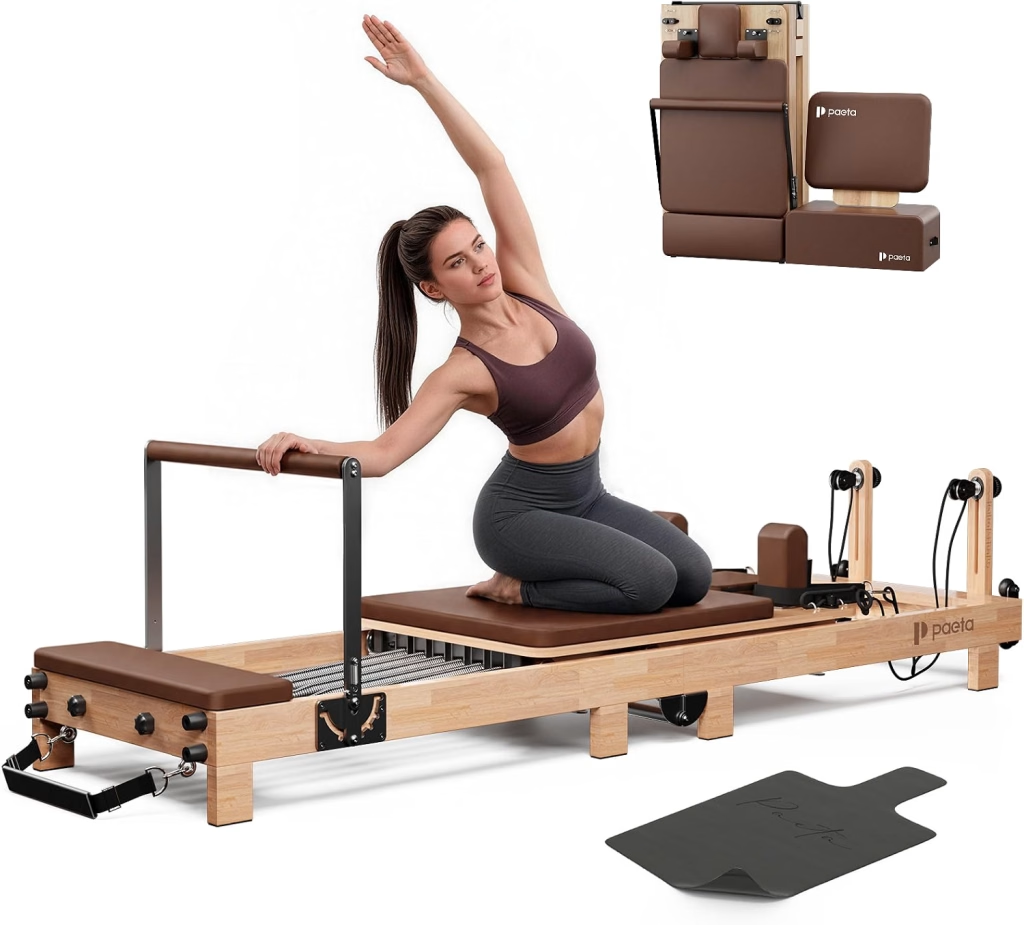
For the reformer, natural wood construction with warm neutral upholstery is the selection criterion that matters most in this specific aesthetic. A reformer with a natural wood frame stores against the training zone wall between sessions and reads as a piece of considered furniture when stored — the wood grain contributing to the warm material language of the Naturalist space rather than introducing the aluminum and synthetic materials of commercial reformer equipment. The upholstery color should sit within the warm neutral palette of the space — oatmeal, warm grey, or natural linen rather than bright white or black.
A cork or natural rubber mat for mat Pilates and barre floor work serves as the primary training surface when the reformer is stored. Light resistance bands in the softest earth tones — sand and warm grey rather than the heavier terracotta and olive used in the functional strength setup — handle the Pilates accessory work and the barre conditioning movements that use light resistance for high-repetition toning work.
VITA Barre Wall-Mounted Single Ballet Barre

PAETA 92″ Wooden Pilates Reformer
EVERYDAY Cork Yoga Mat

If the floor plan permits and the wall structure supports it, a wall-mounted barre in natural wood at hip height on the training zone wall adds the standing barre work that makes this setup complete. A natural wood barre on a sage green wall is one of the most visually distinctive and aesthetically appropriate elements available in any home gym context — it reads as intentional design rather than gym hardware, which in the Naturalist spare bedroom is exactly the quality every equipment choice should aim for.
The Space That Gives Back
Most gyms take something from the person who trains in them.
They take the commute. Gyms consume the schedule adjustment. They take the performance of motivation in a public space. They take the fluorescent-lit, rubber-floored, mechanically ventilated hour that produces the result you came for but nothing else.
The Naturalist spare bedroom gym gives something back.
This home gym gives the quality of a morning spent in natural light with living plants and fresh air from an open window. With every session it gives the specific consistency that comes not from discipline alone but from a space that is genuinely worth being in before the first repetition begins. It gives the sensory environment — the cork underfoot, the trailing pothos on the shelf, the sage green walls catching the morning light — that makes showing up feel like the natural thing rather than the disciplined thing.
This is what the Iron Paradise looks like when it breathes. Not raw and focused and sealed against the outside world — but open to it, connected to it, built from materials that the outside world produced and that carry its quality into the training space every single morning.
Build it around what gives you life. That is the only design principle the Naturalist gym has ever needed.
If you’re still exploring which home gym aesthetic is yours, the free SOMA Dream Gym Style Guide walks you through all five — with mood boards, equipment guides, and the framework for finding the space that reflects who you’re becoming.
Leave a Reply