
Designing a home gym is more than the obvious dumbbells, benches and treadmills. If you’re not observant, you could miss one foundational aspect that separates decent fitness areas from exceptional home gyms- and that’s the flooring under your feet. Having the best flooring for a home gym can optimize your training experience, while the wrong choice can potentially lead to injury, equipment damage, or very annoyed neighbors.
By the end of this guide, you’ll have a greater grasp of the best flooring for home gyms; understanding their strengths and limitations. You’ll know expected costs, the importance of proper upkeep and the right flooring types for specific training styles. Whether you’re setting up a dedicated lifting zone, a multipurpose fitness room, or a yoga and cardio space, you’ll have the information you need to make a confident flooring decision.
The Right Flooring Always Matters
Your gym floor is more than just a surface—it’s a critical component that impacts every aspect of your training. Safety is paramount; the right flooring provides cushioning that protects your joints during high-impact exercises and prevents slips during intense sessions. Comfort matters too, especially during floor exercises like yoga, stretching, or core work where you’re in direct contact with the ground for extended periods.
Choosing the right flooring will in no small way determine the future of your fitness expenses based solely on quality. Durable, quality flooring that can withstand years of dropped weights, jumping, pivoting, and heavy equipment will save you a tremendous amount of money otherwise spent on numerous flooring replacements.

Points of Interest When Choosing Home Gym Flooring
Before diving into specific materials, understanding your priorities will help you identify the best flooring for home gym setups that match your needs.
Workout Selection
This is honestly one of the most important points- your training style should be the key factor of your flooring decision. Strength training with heavy weights requires impact-resistant surfaces that can withstand dropped dumbbells from considerable heights. HIIT and plyo- exercises are ideal for cushioned flooring that support joints during jumps while simultaneously offering stability. Yoga and Pilates benefit from firm, comfortable surfaces with good grip. Cardio equipment like treadmills need shock absorption to lower noise and reduce equipment wear.
Impact Absorption & Joint Protection
Flooring that absorbs impact reduces stress on knees, ankles, and hips during high-intensity movements. Too much cushion compromises stability for lifting; too little increases injury risk during jumping exercises. The ideal balance depends on your primary activities.
Noise Reduction & Vibration Control
Critical for apartments and shared spaces, proper flooring dampens the sound of footfalls, dropped weights, and machine vibrations. Thickness and material density directly affect noise control—thicker, denser options perform better but cost more.
Longevity & Resilience
Consider how well materials resist tears, compression, and wear from equipment wheels or metal plates. Higher-quality options cost more upfront but often prove more economical over time.
Cleaning & Maintenance
Some surfaces require only quick sweeping and mopping, while others trap sweat, odors, or debris. Factor in cleaning time and any special products needed.
Budget
Costs vary dramatically, from under $1 per square foot for basic foam to $10+ for premium rubber. Installation complexity affects DIY feasibility—interlocking tiles install in minutes, while rolled rubber may need professional help.
Space Limitations
Garages accommodate permanent, heavy-duty installations. Spare rooms may need flooring that blends with home aesthetics. Apartments demand portable, damage-free options that protect existing floors and control noise effectively.
The Three Options: Rubber, Foam, and Carpet
Among the dozens of flooring options available, three stand out as the most popular choices for home gyms. Rubber flooring has become the gold standard in commercial gyms and is increasingly common in homes, prized for its durability and protective qualities. Foam tiles offer an affordable, lightweight alternative that’s easy to install and reconfigure. And carpet—particularly specialized gym carpet or carpet tiles—provides a comfortable, familiar option that some homeowners prefer for certain types of training.
Each option brings distinct advantages and trade-offs in terms of performance, cost, maintenance, and suitability for different exercise types.
Rubber Flooring
Rubber gym flooring is typically manufactured from recycled rubber (often from tires), virgin rubber, or a blend of both. Recycled rubber offers an eco-friendly, cost-effective option, while virgin rubber provides a cleaner appearance and less odor. The material comes in three common forms: large rolls (usually 4 feet wide) ideal for covering expansive areas seamlessly, interlocking tiles (typically 2×2 feet) that offer easy installation and configuration flexibility, and individual mats for targeted protection under specific equipment. Thickness ranges from 8mm for light use to 3/4 inch or more for serious weightlifting.

Pros
Rubber flooring stands out as one of the most durable options available, capable of withstanding years of punishment from dropped weights, dragged equipment, and constant foot traffic without significant wear.
Its exceptional impact resistance makes it the top choice for protecting both your subfloor and expensive equipment from damage during intense training sessions.
For those seeking the best flooring for home gym weightlifting areas, rubber excels at sound and vibration dampening—critical when dropping barbells or using heavy equipment in shared living spaces.The material naturally absorbs shock, reducing noise transmission through floors and walls.
Its water- and sweat-resistant properties mean easy cleanup and no concerns about moisture damage, mold, or bacterial growth, making it highly hygienic for intensive training environments.
Cons
The primary drawback is cost—quality rubber flooring typically runs $3 to $10 per square foot, significantly more than foam alternatives. The material’s weight and density, while contributing to its durability, make it more challenging to install, especially for rolls that may require two people to maneuver and position properly.
Many rubber products, particularly those made from recycled materials, emit a distinct odor when new—a smell often compared to tires or rubber bands. This off-gassing typically diminishes over several weeks but can be unpleasant initially, especially in enclosed spaces with limited ventilation.
Best Suited For:
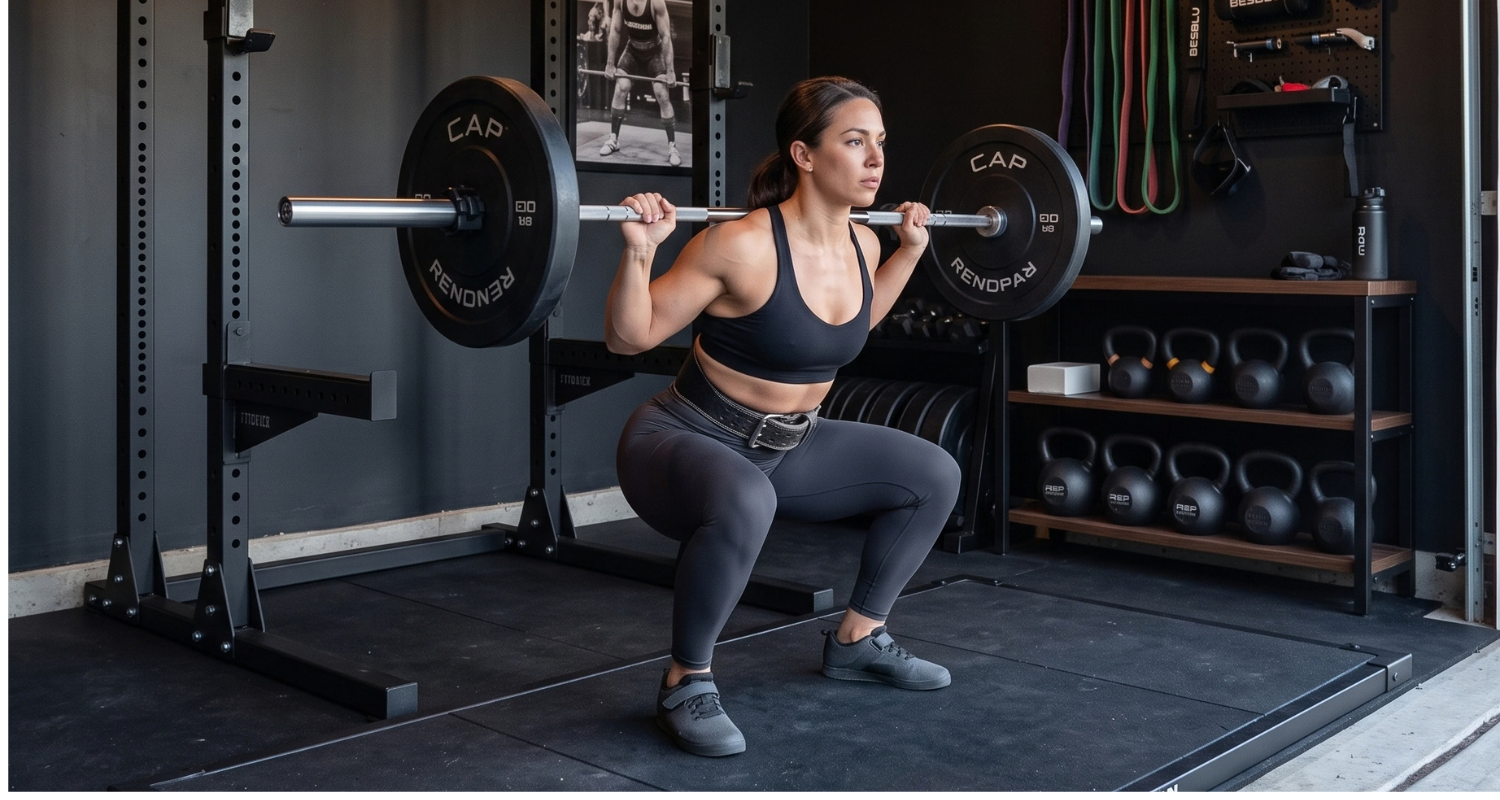
Rubber flooring is the clear winner for weightlifting and CrossFit-style workouts where barbells, kettlebells, and heavy dumbbells are regularly dropped or placed down forcefully. It’s particularly well-suited to garage or basement gyms where durability trumps aesthetics and where the material’s weight isn’t a concern.
If you’re investing in a long-term, high-performance setup and want flooring that will last for decades without replacement, rubber delivers the best value despite its higher initial cost. It’s the professional’s choice for serious training spaces.
Foam Flooring
Foam gym flooring is primarily made from EVA (ethylene-vinyl acetate) foam, a lightweight, cushioned material that’s become popular for home fitness spaces. These interlocking tiles typically come in 2×2 foot squares with puzzle-piece edges that snap together without adhesive or tools. Standard thickness ranges from 1/2 inch to 1 inch, with thicker options providing more cushioning. Foam flooring is available in various colors and finishes, from basic solid colors to wood-grain or tatami patterns that can blend with home décor.

Pros
Foam flooring’s affordability makes it attractive for those seeking the best flooring for home gym setups on a budget—you’ll be paying around $1 to $3 per square foot, which makes it the most cost effective of the three options. Because it’s so lightweight, foam flooring is very easy to carry, align and install in minutes with no tools and very little labor.
Its cushioned texture is quite soft underfoot and is ideal during barefoot exercises, floor work, or extended stretching sessions. Foam excels at protecting the body, specifically the joints during explosive, jumping exercises. The interlocking design allows for easy reconfiguration if you rearrange your space or move to a new home—simply pull the tiles apart and reassemble elsewhere.
Cons
The one glaring weakness of foam flooring is its durability. With use foam often compresses and shows significant signs of wear in high traffic areas or under stationary equipment. Over time, the tiles may develop permanent indentations, tears along edges, or separation at the interlocking joints.
Foam cannot withstand dropped weights—even moderate impacts from dumbbells can puncture or crush the material, making it unsuitable for Olympic lifting or any training that involves releasing weights from height. Heavy equipment like loaded barbells will compress the foam unevenly, creating an unstable lifting platform that compromises form and safety.
Best Suited For:
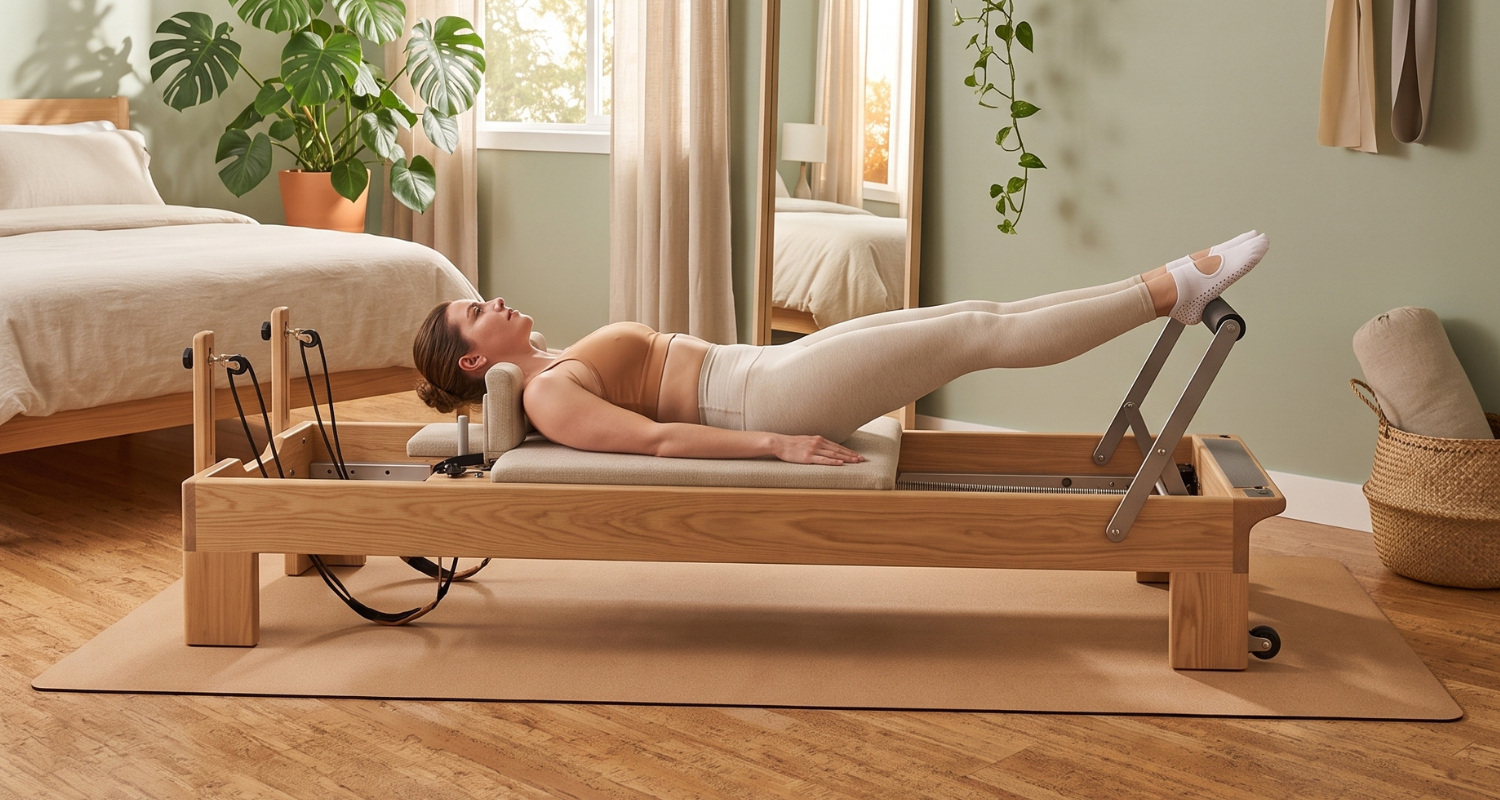
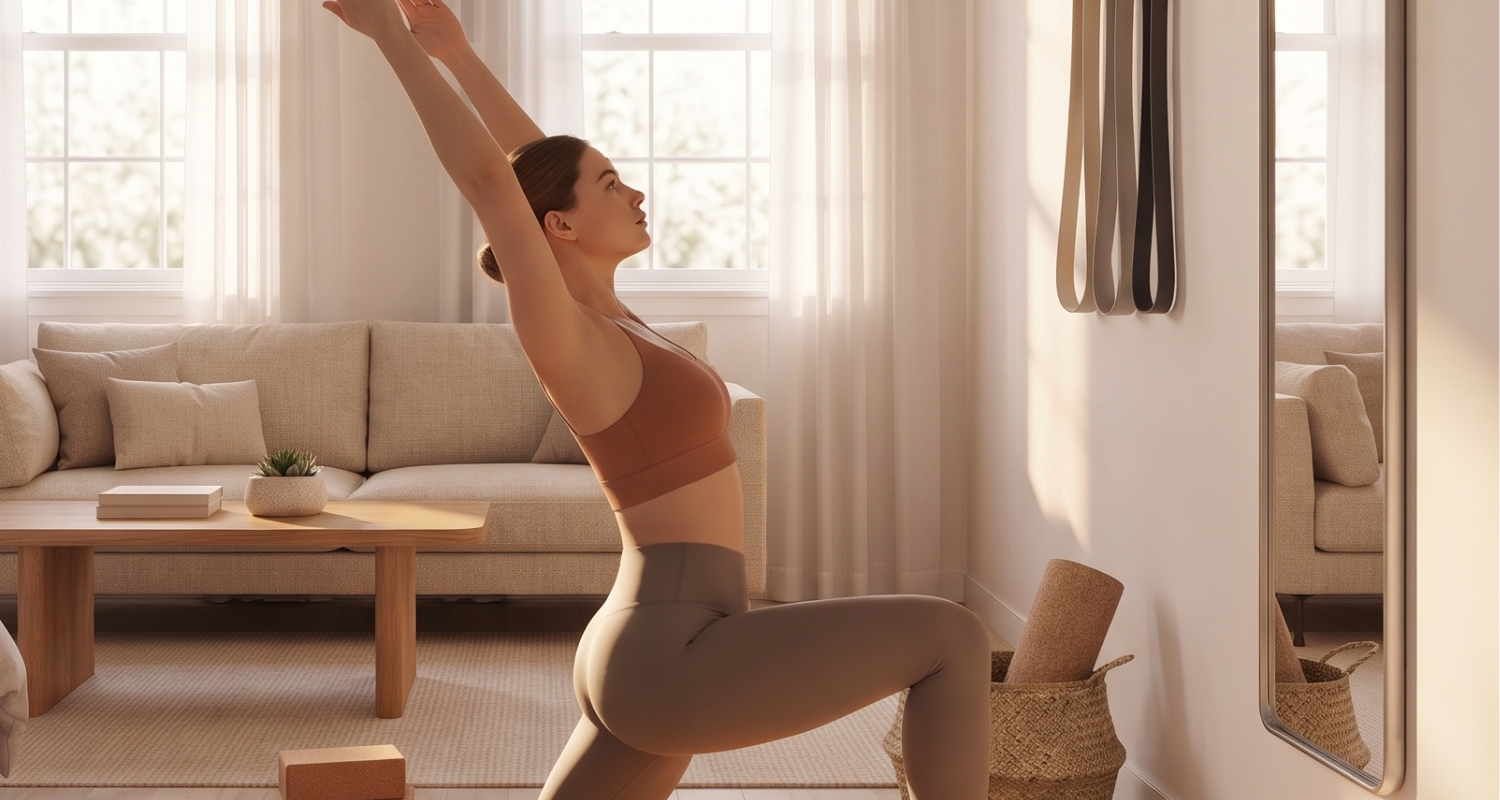
Foam flooring shines for bodyweight workouts, yoga, Pilates, and stretching routines where impact is minimal and comfort is prioritized. It’s an excellent choice for apartments or temporary gyms where easy installation, portability, and subfloor protection matter more than extreme durability.
Overall foam is the best flooring for those in the introductory phase of fitness. This entails little to light dumbbell work, few to no resistance machines, and an emphasis on calisthenics and cardio. It’s also ideal when you need the best flooring for home gym spaces focused on flexibility, mobility, and moderate-intensity training.
Carpet/ Carpet Tiles
Carpet for home gyms comes in two main forms: traditional broadloom carpet installed wall-to-wall, and modular carpet tiles that can be placed over existing flooring. For fitness spaces, low-pile commercial-grade carpet or dense carpet tiles work best, as they’re more durable and easier to clean than plush residential varieties. Carpet tiles, typically 18×18 or 24×24 inches, offer a middle ground—providing carpet’s comfort with easier installation and the ability to replace individual damaged sections. Many homeowners use existing carpet in spare rooms or basements, making it the default flooring for multi-purpose spaces.

Pros
Carpet provides exceptional comfort and warmth, creating a welcoming environment that feels less institutional than rubber or foam. The soft surface is gentle on bare feet and comfortable for floor exercises, stretching, or yoga. For those in colder climates or unheated spaces, carpet’s insulating properties make workouts more pleasant.
Cost is another advantage—basic carpet tiles run $1.50 to $4 per square foot, while using existing carpet costs nothing. Carpet effectively reduces noise from footfalls and light equipment, making it suitable for upstairs rooms or shared spaces where sound control matters.
Cons
Moisture resistance is carpet’s critical weakness. The material absorbs sweat, creating hygiene concerns and potential odor or bacterial growth over time. Once moisture penetrates carpet fibers and padding, it’s difficult to fully dry and sanitize, unlike rubber or foam that can be wiped clean.
Cleaning requires more effort—vacuuming regularly and occasionally deep cleaning, versus the simple mopping that rubber and foam allow. Spilled water bottles or perspiration during intense sessions can leave lasting stains or create musty smells.
Durability for intense training is limited. Carpet fibers compress under heavy equipment, creating permanent indentations. Dragging weights or equipment can tear or fray the surface. For serious weightlifting or high-impact activities, carpet simply won’t hold up, making it one of the less practical choices when seeking the best flooring for home gym spaces focused on strength training.
Best Suited For:
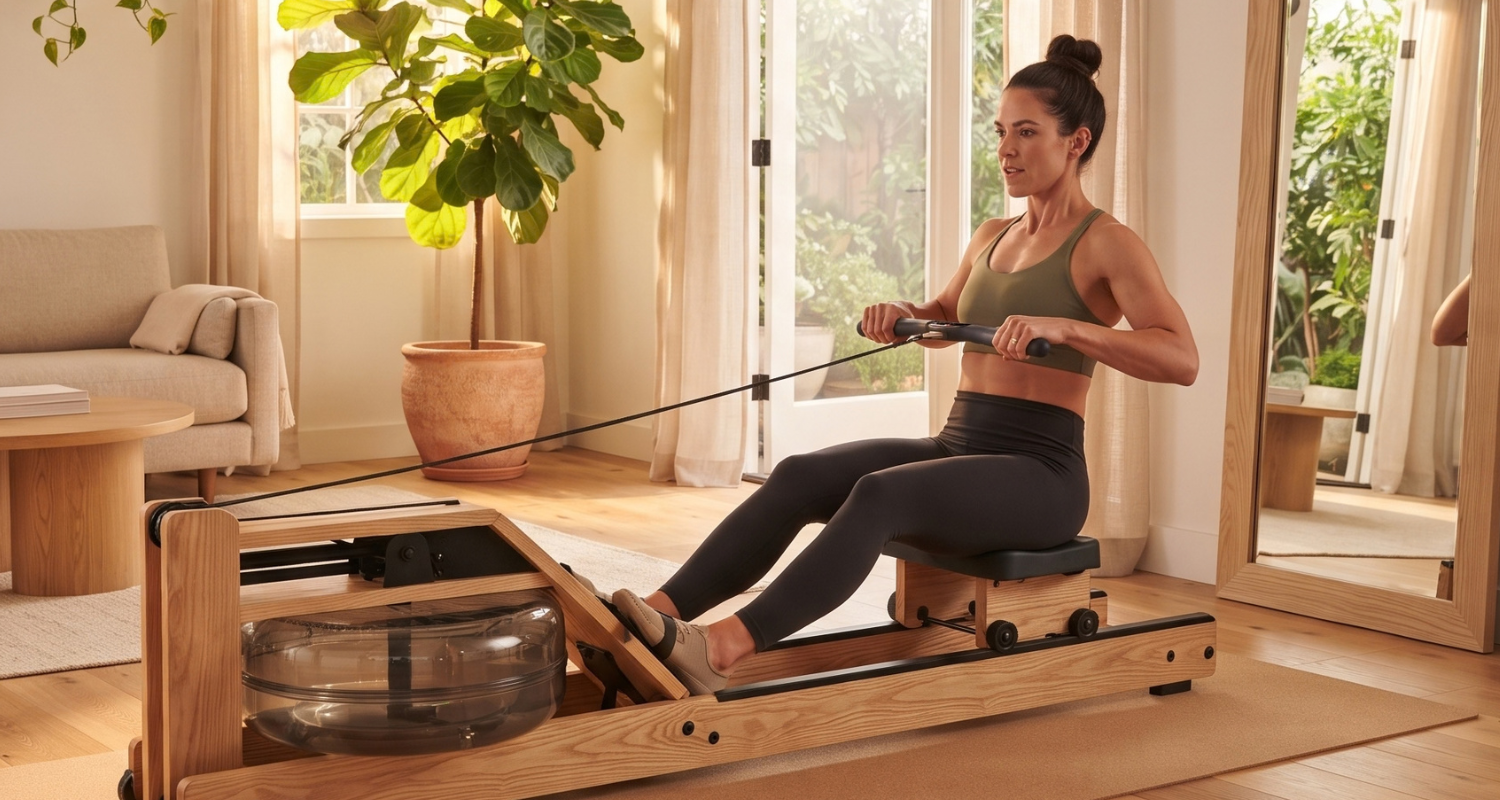
Carpet works well for light cardio areas where you’ll do jumping jacks, shadowboxing, or use cardio machines with minimal weight transfer. It’s suitable for dedicated stretching and mobility zones, yoga practice, or meditation spaces within a larger gym.
Multi-purpose rooms that serve as both workout spaces and family rooms benefit from carpet’s aesthetic appeal and comfort for non-exercise activities. Home gyms with minimal equipment—perhaps just resistance bands, a yoga mat, and light dumbbells—can function adequately on carpet without the investment in specialized flooring.
If your training emphasizes low-impact movement, flexibility work, or bodyweight exercises, and you already have carpet in place, it may serve as the best flooring for home gym use without additional expense.
Which Should You Choose?
To help you identify the best flooring for home gym needs, here’s how rubber, foam, and carpet stack up across key criteria:
Cost (winner: Foam)
Foam leads as the most budget-friendly option at $1-$3 per square foot, making it accessible for those just starting out. Carpet falls in the middle range at $1.50-$4 per square foot for tiles, or potentially free if using existing flooring. Rubber commands the highest price at $3-$10 per square foot, but delivers superior long-term value through extended lifespan and minimal replacement needs.
Durability (winner: Rubber)
Rubber dominates in longevity, resisting years of heavy use, dropped weights, and equipment traffic with minimal degradation. Foam shows moderate durability for light to moderate use but compresses and tears under stress. Carpet performs poorly under fitness equipment, developing permanent indentations and fraying with regular use, making it the least durable option for dedicated training spaces.
Shock Absorption (winner: Foam)
Foam provides the most cushioning, offering maximum joint protection during low-impact activities but potentially too much give for stability during lifting. Rubber delivers excellent shock absorption that balances joint protection with the firm surface needed for proper lifting form. Carpet offers minimal shock absorption—its thin padding helps slightly but can’t compete with purpose-built gym flooring.
Noise Reduction (winner: Rubber)
Rubber excels at dampening impact noise and vibration, making it ideal for apartments or shared walls. Foam provides good noise reduction for lighter activities but can’t handle the sound of dropped weights. Carpet effectively muffles footsteps and light movement but offers little protection against equipment impacts.
Ease of Installation (winner: Foam)
Foam wins for simplicity—interlocking tiles install in minutes without tools, perfect for DIY projects. Carpet tiles also install relatively easily, though may require cutting for edges. Rubber, especially in roll form, demands more effort due to weight and size, sometimes requiring professional installation for large areas or permanent adhesive applications.
Best Workout Types (winner: Rubber)
Rubber suits heavy weightlifting, powerlifting, CrossFit, Olympic lifting, and any training involving dropped weights or heavy equipment. Foam excels for yoga, Pilates, bodyweight exercises, stretching, light dumbbells, and cardio without equipment. Carpet works for walking, light cardio, stretching, yoga, and minimal-equipment routines in multi-purpose spaces.

The Final Verdict
If a winner had to be chosen, rubber flooring is definitely taking home the gold. It provides the best durability, impact durability, and noise control which at the of the day justifies the higher price point. If you consider yourself a serious athlete with an eye for long term installation, rubber flooring is your go-to.
Foam flooring is a great choice in terms of value; for those prioritizing budget, foam offers a very reasonable balance of affordability, comfort, and seamless installation. Its exceptional for low impact workouts and temporary installation. Keep in mind that it has limited durability when exposed to continuous weight dropping and frequent intense workouts.
Carpet provides familiarity and comfort in multi-purpose spaces, reducing noise from light activities at minimal cost. However, its poor moisture resistance, cleaning challenges, and limited durability make it the weakest performer for dedicated fitness use.
No One-Size-Fits-All Solution
When all is said and done, no flooring is going to offer everything you need at once. What’s important is that you choose the flooring that offers the most benefits towards your goals/ training style. Your ideal flooring reflects your unique combination of workout style, space, budget, and long-term plans.
Strength training with the use of heavy barbells and dumbbells is best served by sturdy, rubber flooring. If you’re interested in bodyweight exercises and prioritizing flexibility, foam is an excellent choice that’s both cost effective and easy to install. And lastly if you have a room that serves multiple purposes in addition to light fitness, carpet is a good place to start.
The best flooring for your home gym is the one that supports your specific journey, protects your space, and keeps you training consistently. Choose wisely, install confidently, and get to work building the strength and health you’re after.
Leave a Reply