
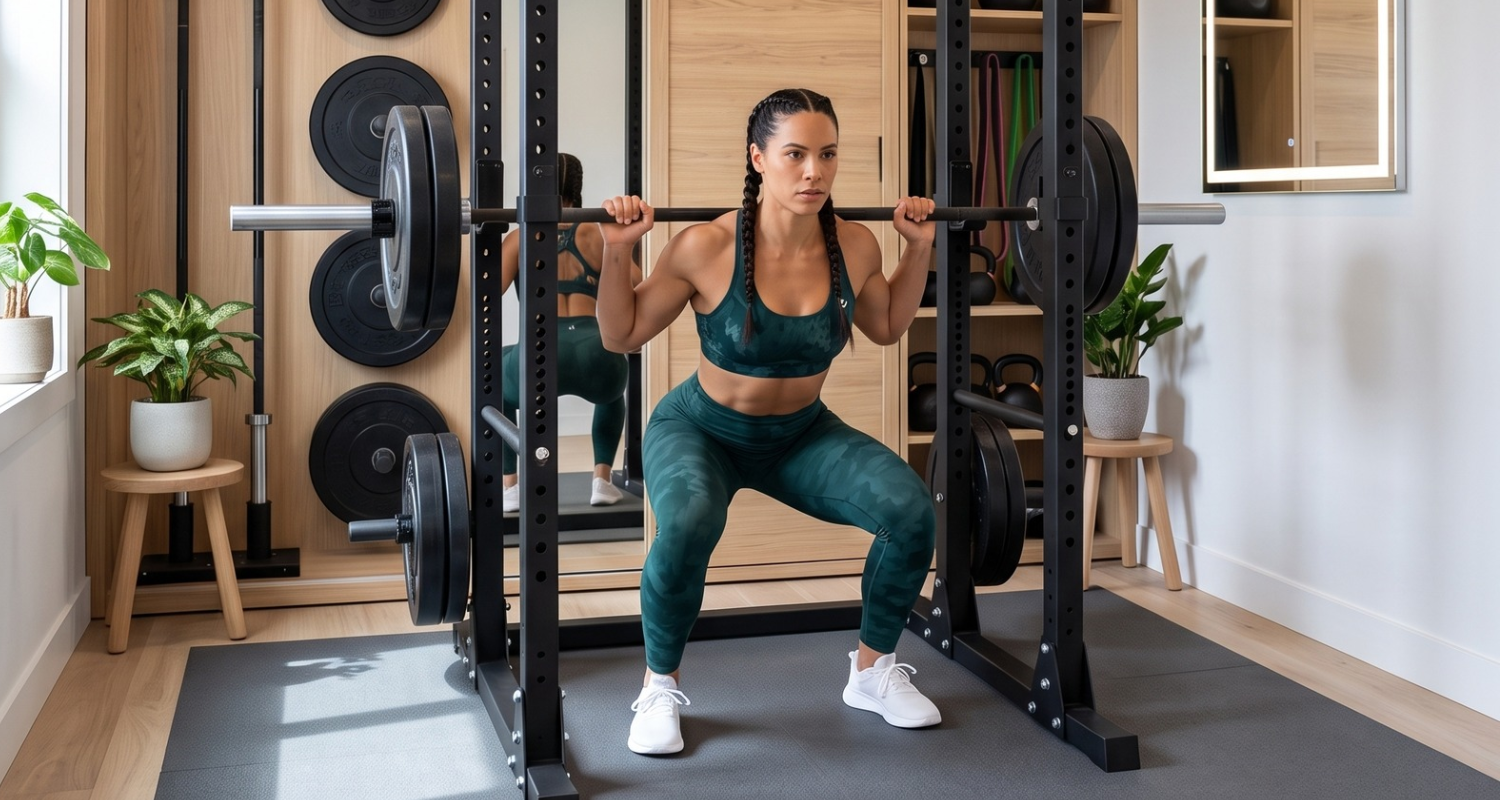
Think you need a massive basement or a two-car garage to build your dream home gym? Not necessarily.
A 150-square-foot room is roughly 10 by 15 feet. That’s about the size of a modest spare bedroom, and it’s more than enough space to get an effective workout with the right setup. The challenge isn’t always the amount of space you have. It’s how you use it. One of the biggest mistakes people make when building a small home gym is trying to squeeze a commercial gym into a residential room.
They buy a power rack, a bench, a cable machine, and a treadmill, only to realize they barely have enough room to stretch. Rather than trying to fit everything into your gym, start by thinking about how you actually train.
What equipment do you need? What atmosphere motivates you? And how can you make the room feel inviting rather than overcrowded? That’s where the five SOMA.FITNESS home gym archetypes come in.
Whether you’re drawn to the intensity of the Athlete Cave, the simplicity of the Clean Minimalist, or the polished appearance of the Performance Studio, there’s a way to bring that aesthetic to life without sacrificing your training space.
In this guide, we’ll explore small space home gym ideas for all five archetypes, including equipment recommendations, layouts, lighting strategies, and common mistakes to avoid.
First, Understand How Much Space You Actually Have
Before you start shopping for equipment or picking out paint colors, grab a tape measure. Knowing the square footage of your room is a good start, but there are three measurements that deserve particular attention.
Floor Space
Start by measuring the length and width of the room. Then sketch a simple floor plan on graph paper or use painter’s tape to mark out potential equipment locations.
Make sure you account for doors, windows, closets, vents, and electrical outlets. A folding bench might fit perfectly against a wall, but if it prevents you from opening your closet, that’s probably not the best place for it. Remember, there’s a difference between total square footage and usable training space.
Ceiling Height
This is something people tend to overlook until it’s too late. Most standard residential ceilings are around eight feet high, but that doesn’t automatically mean you have enough clearance for overhead presses, pull-ups, or jump rope.
Stand where you plan to train and raise your arms overhead. Then consider the additional height of any equipment you’ll be holding. If you’re planning to install a squat rack or pull-up bar, check the manufacturer’s dimensions and allow enough room to perform the exercises safely.
Usable Wall Space
In a small home gym, your walls are some of your most valuable real estate. They can hold resistance bands, weight plates, mirrors, shelves, and even folding squat racks. A room with several uninterrupted walls may actually be easier to organize than a larger room filled with windows, doors, and closets. Take note of which walls are available and suitable for mounting equipment before finalizing your layout.

A Few Clearance Rules to Keep in Mind
Regardless of which aesthetic you choose, there are a few spatial guidelines worth following.
- Allow around three feet of clearance where practical. You’ll need room to walk around equipment, load weights, and safely enter or exit exercises. Some equipment and movements require more.
- Account for the full length of your barbell. A standard Olympic barbell is approximately seven feet long. Once you factor in plate-loading clearance, you’ll want roughly eight and a half to nine feet of clear width at a minimum, and more if needed.
- Keep one area of the floor completely open. You should have somewhere to stretch, perform bodyweight exercises, or warm up without having to move several pieces of equipment.
If you can’t comfortably move around your gym, you’ve probably tried to fit too much into it.

Six Small Space Home Gym Ideas That Work With Any Aesthetic
Before we get into the individual archetypes, let’s cover six design principles that apply to almost any small home gym. These will help you get more out of your available space regardless of your budget or training style.
1. Take Advantage of Vertical Storage
When floor space is limited, start looking at your walls. Wall-mounted storage can make a tremendous difference in a small gym. Resistance bands, lifting straps, barbells, and weight plates can all have designated storage locations without necessarily taking up additional floor space.
The key is choosing storage systems that are appropriate for the weight of your equipment and the construction of your walls. Our home gym storage guide goes into more detail about choosing storage solutions that complement each archetype.
2. Choose Folding and Compact Equipment
One of the easiest ways to make a small gym more versatile is to invest in equipment that doesn’t permanently occupy the training area. Think about a folding bench instead of a large fixed bench. Adjustable dumbbells instead of an entire dumbbell rack. A wall-mounted folding squat rack instead of a full power cage. Or a walking pad instead of a traditional treadmill.
The less space your equipment occupies when you’re not using it, the more flexibility you’ll have. This is especially important if your gym shares space with a bedroom, living room, or garage.

3. Plan Your Mirror Wall Early
A large mirror can completely change the appearance of a small room. It creates a greater sense of depth, reflects light throughout the space, and provides useful visual feedback during certain exercises. But don’t wait until you’ve installed all your equipment to decide where it should go.
Choose the mirror wall early in the design process. Allow approximately three feet of clearance in front of it as a starting point, with additional space for movements that could bring equipment close to the glass.Use a mounting system appropriate for the mirror’s weight and wall construction. Our home gym mirror guide covers mirror sizes, placement, and installation in greater detail.
Related Post: Home Gym Mirror Guide: How to Choose, Place, and Mount the Right Mirror for Your Space
4. Keep Your Surfaces Consistent
Here’s a simple interior design trick that works particularly well in small gyms. Choose one dominant flooring material and one primary wall color. When you introduce too many flooring patterns, wall colors, and contrasting finishes, the room can start to feel visually fragmented.
A consistent palette creates a smoother visual flow. That doesn’t mean everything needs to be the same color. It simply means your materials should work together rather than compete for attention.
5. Use Layered Lighting
A single ceiling light might illuminate your gym, but it probably won’t do much for the atmosphere. Layered lighting gives you more control over how the room looks and feels. Depending on your aesthetic, that could mean combining overhead lighting with LED strips, wall sconces, or floor lamps.
You can highlight specific areas, soften shadows, and create a greater sense of depth without adding more equipment. Each archetype has its own approach to lighting, which we’ll explore below. You can also check out our home gym lighting guide for a more detailed breakdown.
6. Give Everything a Designated Home
A small room can go from organized to overcrowded surprisingly quickly. A kettlebell near the door, a foam roller beside the bench, and a few resistance bands scattered across the floor might not seem like much. But together, they can make the room feel considerably smaller.
Give every piece of equipment a designated storage location. And when you’re finished training, take a moment to reset the room. The best small space home gym ideas aren’t just about buying compact equipment. They’re about keeping the space functional long after you’ve finished building it.
Small Home Gym Equipment: Where to Start at Three Budget Levels
Not sure which equipment to buy first? Here are three configurations to help you get started. Each can serve as a foundation for a gym under 150 square feet, although you’ll need to adjust the equipment selection based on your room’s dimensions and training priorities.
Starter Setup
If you’re building your first home gym, start with a few versatile pieces:
- Adjustable dumbbells
- A folding bench
- Resistance bands
- A door-mounted or wall-mounted pull-up bar
This setup allows you to train most major muscle groups without committing much permanent floor space.
Mid-Range Setup
If you’re ready to expand your training options, build on the starter setup with:
- A compact wall-mounted or folding squat rack
- A small selection of kettlebells
- A foldable walking pad
This configuration introduces more strength and conditioning options while maintaining a relatively compact footprint.
Premium Setup
If you have a dedicated room and a larger budget, consider:
- A wall-mounted folding squat rack
- An adjustable bench
- A compact cable system or functional trainer
- A Pilates reformer or a rowing machine designed for upright storage
At this level, be particularly selective.
You may not have room for every piece of equipment to be installed and used simultaneously. Choose the larger machines based on your primary training style and available clearance.
Now let’s look at how each of the five archetypes can shape those purchasing decisions.
Athlete Cave: Small Space Home Gym Ideas for Serious Lifters
The Athlete Cave is dark, intense, and unapologetically focused on training. It’s the kind of gym that makes you want to put your headphones on, load up the barbell, and get to work. But there’s a challenge when bringing this aesthetic into a small room. Too much darkness can make the space feel closed in.
The goal isn’t to create a black box. It’s to create a controlled, dramatic atmosphere that still gives you room to train comfortably.

The Layout
I’d recommend dedicating one wall to your main lifting setup. In a 10-by-15-foot room, a wall-mounted folding squat rack can work along either wall, provided you have sufficient barbell clearance.
Keep your bench and weight storage close to the rack. Try to leave the opposite side of the room relatively open. This creates a dedicated strength-training zone without sacrificing the entire floor.
What Equipment Should You Buy?
Wall-mounted folding squat rack. If barbell training is your priority, this is one of the most valuable space-saving investments you can make. It gives you many of the benefits of a traditional rack without permanently occupying the same amount of floor space.

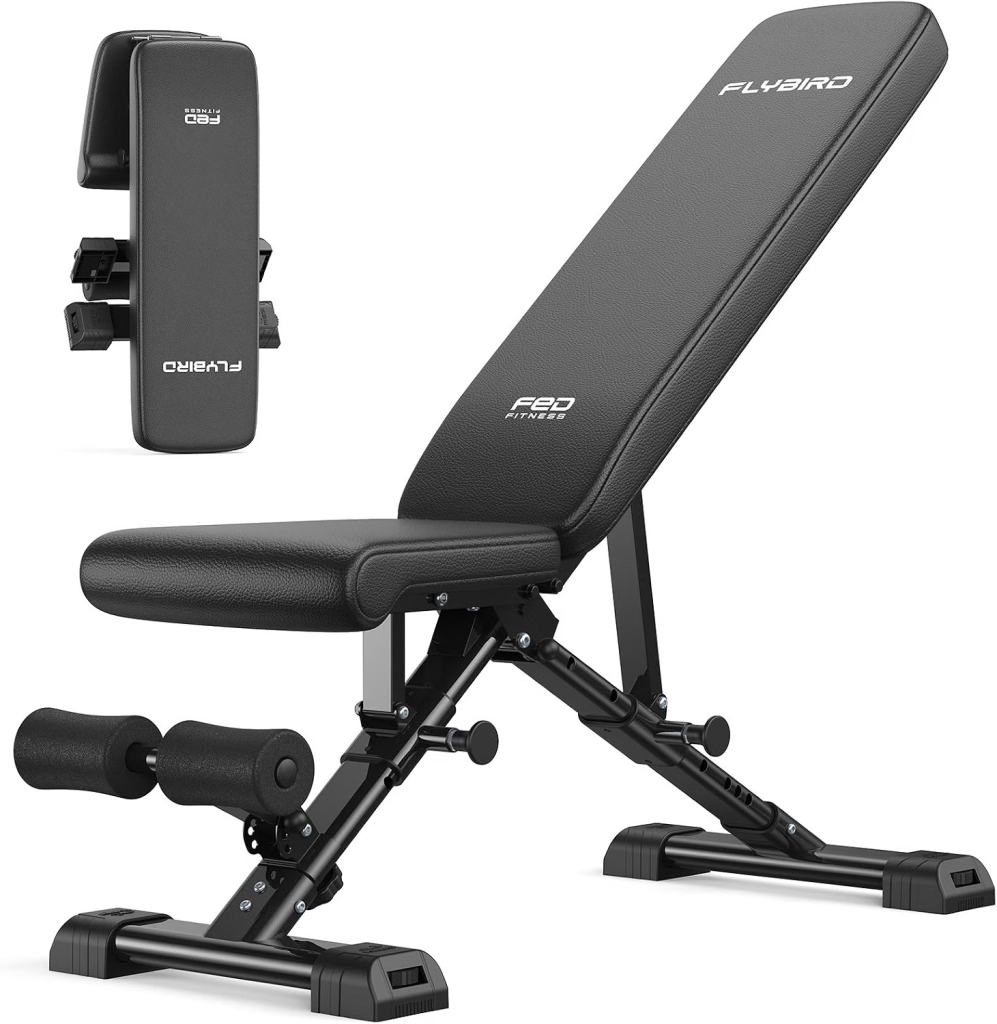
Adjustable bench. Look for a sturdy model designed for compact or upright storage. When you’re finished training, it should have a designated place against the wall.
Barbell and compact weight plate set. Choose a practical selection of plates that supports your current strength and allows room for progression. You don’t necessarily need several pairs of every weight.


Rubber flooring or horse stall mats. Both can be practical options for a strength-focused gym. Our horse stall mat guide explains how you can potentially reduce flooring costs without sacrificing the rugged Athlete Cave appearance.

What to Skip
I’d avoid a large power cage, a dedicated lat pulldown tower, or a leg press in most rooms this size. These machines can be fantastic in larger gyms, but their footprints make them difficult to justify when you’re working with less than 150 square feet.
Lighting: Controlled Darkness
Lighting is particularly important in a small Athlete Cave. Dark walls absorb more light, and relying entirely on a ceiling fixture can make the room feel smaller than it actually is. One of my favorite solutions is a floor-level LED strip running along the base of the walls. The upward wash of light highlights the wall surfaces, creates a sense of depth, and gives the room a dramatic, modern appearance. Combine it with sufficient overhead or task lighting so you can clearly see your equipment during workouts.
It’s a relatively simple design feature that can completely transform the atmosphere.

Mirror Placement
Install one large mirror on the wall beside the squat rack rather than directly behind it. A mirror behind the rack can become obstructed by the equipment, reducing its usefulness and visual impact.
Best for: Strength-focused lifters who want a proper barbell setup and enjoy a dark, motivational training environment.
Clean Minimalist: Make the Most of Every Square Foot
If I had to choose the most naturally compatible archetype for a small home gym, it would probably be the Clean Minimalist.
Why?
Because the entire aesthetic is built around restraint. You don’t need a room full of equipment. You don’t need elaborate lighting fixtures or oversized storage systems. You need a few well-chosen pieces and somewhere to put them when you’re finished. The room should feel calm, open, and uncluttered, whether you’re training or not.

The Layout
Keep the center of the room as open as possible. Dedicate one wall or a nearby closet to equipment storage. When it’s time to train, bring out what you need. When you’re finished, everything goes back into its designated place. This approach works especially well in multipurpose rooms.
What Equipment Should You Buy?
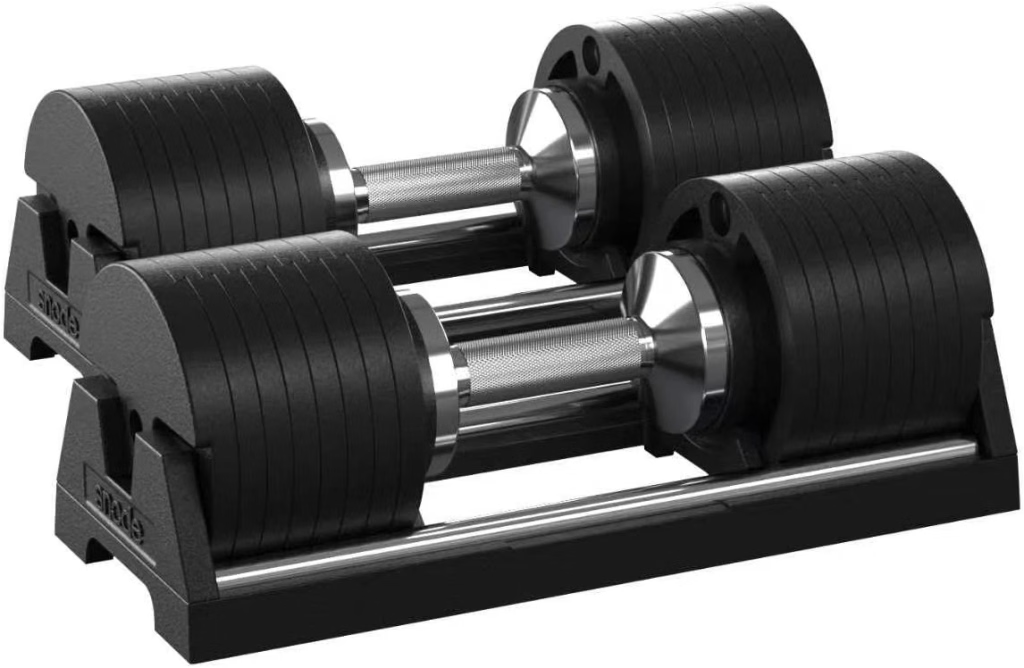
Adjustable dumbbells. A compact pair with a storage cradle gives you plenty of strength-training options without requiring a full dumbbell rack.
Foldable bench. Choose something lightweight enough to reposition conveniently but sturdy enough for your workouts.

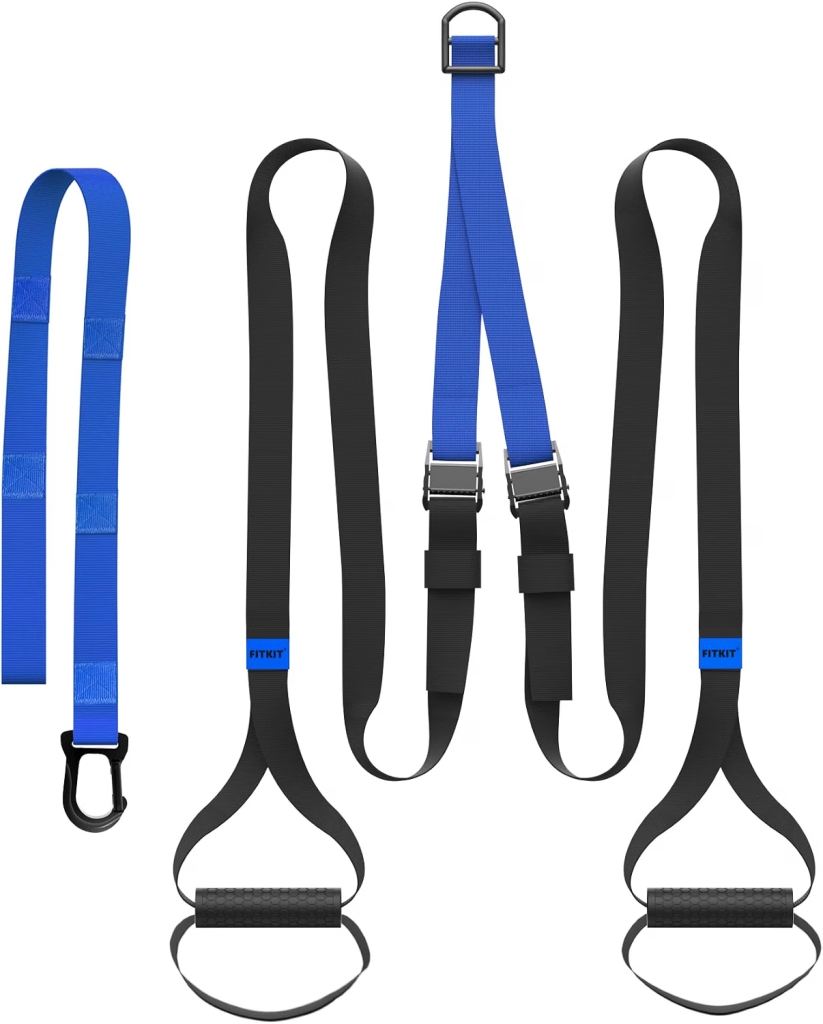
Resistance bands and a suspension trainer. A properly installed wall anchor can support a variety of pulling, pushing, and bodyweight exercises without taking up permanent floor space.
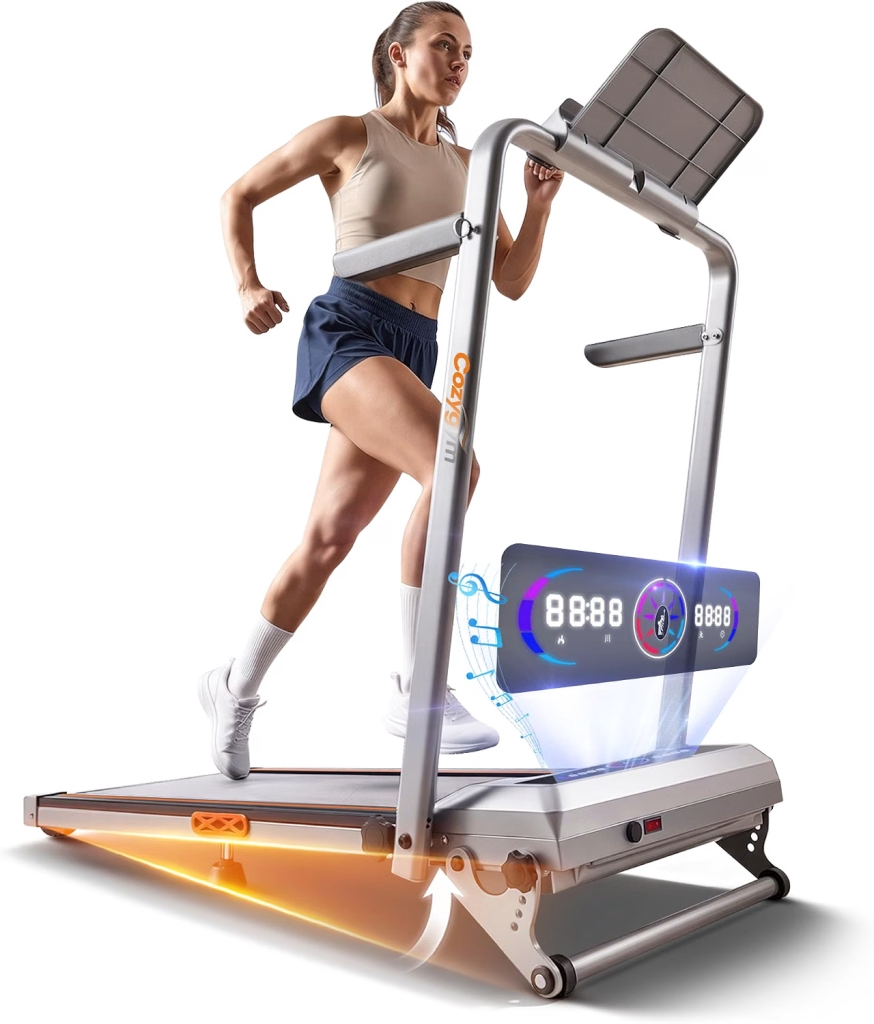
Foldable walking pad. Look for a model that can be stored beneath suitable furniture or against a wall if the manufacturer permits that storage position.
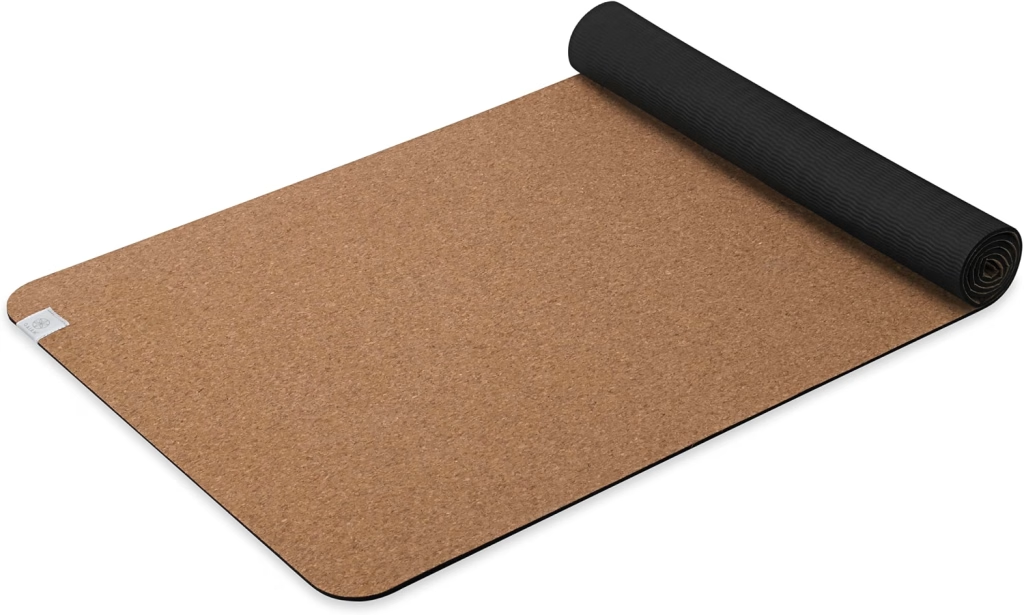
Quality exercise mat. Choose a mat that rolls up easily and complements the room’s neutral color palette.

What to Skip
Avoid equipment that permanently dominates the room. A loaded barbell, a large power rack, or a bulky cardio machine can quickly undermine the simplicity you’re trying to create. If a piece of equipment needs to remain visible, make sure it earns its place.
Lighting: Warm and Relaxed
I’d recommend warm 2700K lighting for this aesthetic. Combine a dimmable ceiling fixture with a simple floor lamp, table lamp, or wall sconce. Keep portable lamps outside your exercise area. The softer lighting creates a warm, welcoming environment rather than the clinical appearance associated with some commercial gyms.
Mirror Placement
A single tall mirror with a slim frame works beautifully here. A leaning mirror can complement the aesthetic, but make sure it’s secured against tipping. It should feel as much like a piece of interior décor as a training accessory.
Best for: Spare bedrooms, living rooms, and multipurpose spaces used for dumbbell training, bodyweight exercises, mobility, and low-impact cardio.
Industrial Loft: Compact, Rugged, and Functional
The Industrial Loft is all about celebrating the materials that other aesthetics try to hide. Exposed brick. Concrete. Black steel. Rough-sawn wood.
Fortunately, these materials work surprisingly well in small spaces. The key is to keep the equipment organized so the room feels like a thoughtfully designed workshop rather than an overcrowded warehouse.

The Layout
Choose one wall to serve as your main equipment and storage station. A wall-mounted rack or pull-up bar, a sturdy shelf, and a few steel hooks can handle much of your setup. Keep the center of the room open for training. If the walls are relatively light, matte-black equipment creates a strong visual contrast without necessarily making the room feel dark.
What Equipment Should You Buy?
Wall-mounted pull-up bar or folding rack. Choose a matte-black finish that complements the room’s steel hardware.

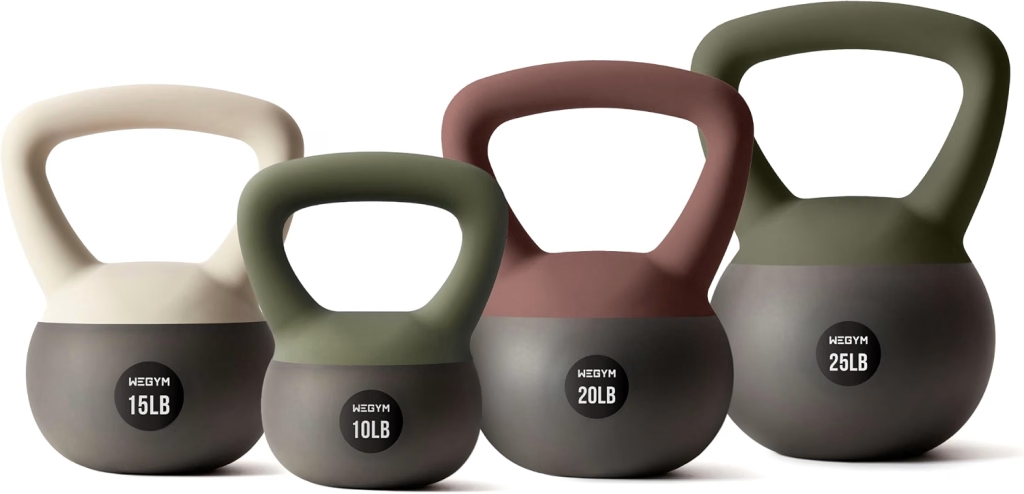
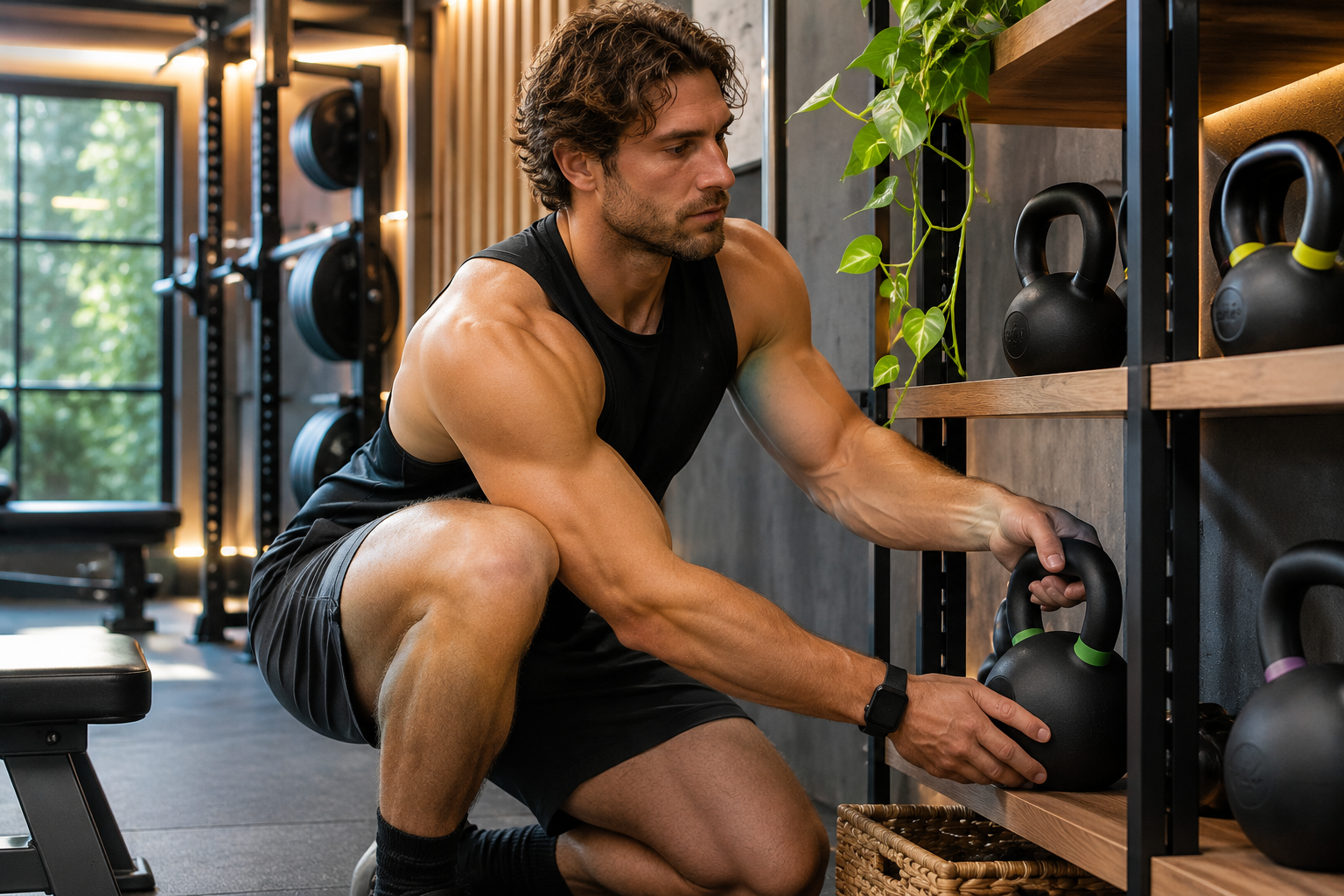
Kettlebells. Two or three carefully selected weights can support strength training, carries, and conditioning workouts. Display them on a low, properly rated shelf.

A sturdy bench. A simple bench with a matte-black steel frame fits naturally into this aesthetic.

Rubber flooring. Dark rubber flooring provides a practical training surface while reinforcing the industrial appearance.

What to Skip
Industrial design doesn’t mean everything needs to be exposed. Too many overhead accessories, shelves, and visible cables can make a small room feel chaotic. Be selective about what you display. The equipment should look like it belongs there, not like you’ve run out of storage.
Lighting: Simple and Architectural
Matte-black linear shop lights are a great fit for the Industrial Loft. One or two appropriately sized fixtures can provide bright, even illumination while complementing the room’s architectural features. I’d avoid low-hanging pendant lights in a small gym. They reduce overhead clearance and can interfere with certain exercises.
Keep your lighting close to the ceiling and let the materials provide the visual character.

Mirror Placement
A large mirror with a thin black metal frame works particularly well on the wall opposite your main training station. It reflects the equipment and architectural features while helping the room feel more spacious.
Best for: Garage corners, basements, and strength-focused training spaces where exposed materials and visible equipment are part of the appeal.
Naturalist: Create a Small Gym That Feels Like an Escape
The Naturalist takes a completely different approach to home gym design.
Rather than creating an intense training environment, it focuses on warmth, natural materials, and a connection to the outdoors. Think light wood, earth tones, plants, and natural light. In a small room, these elements can create an inviting atmosphere without requiring much additional equipment. The trick is letting the materials do most of the design work.

The Layout
If your room has a window, position your main training area nearby. Natural light can make a small gym feel more open and welcoming. Keep plants along the perimeter of the room, on shelves, or in securely mounted hanging planters outside your movement area. You want greenery to complement your training space, not compete with it.
What Equipment Should You Buy?
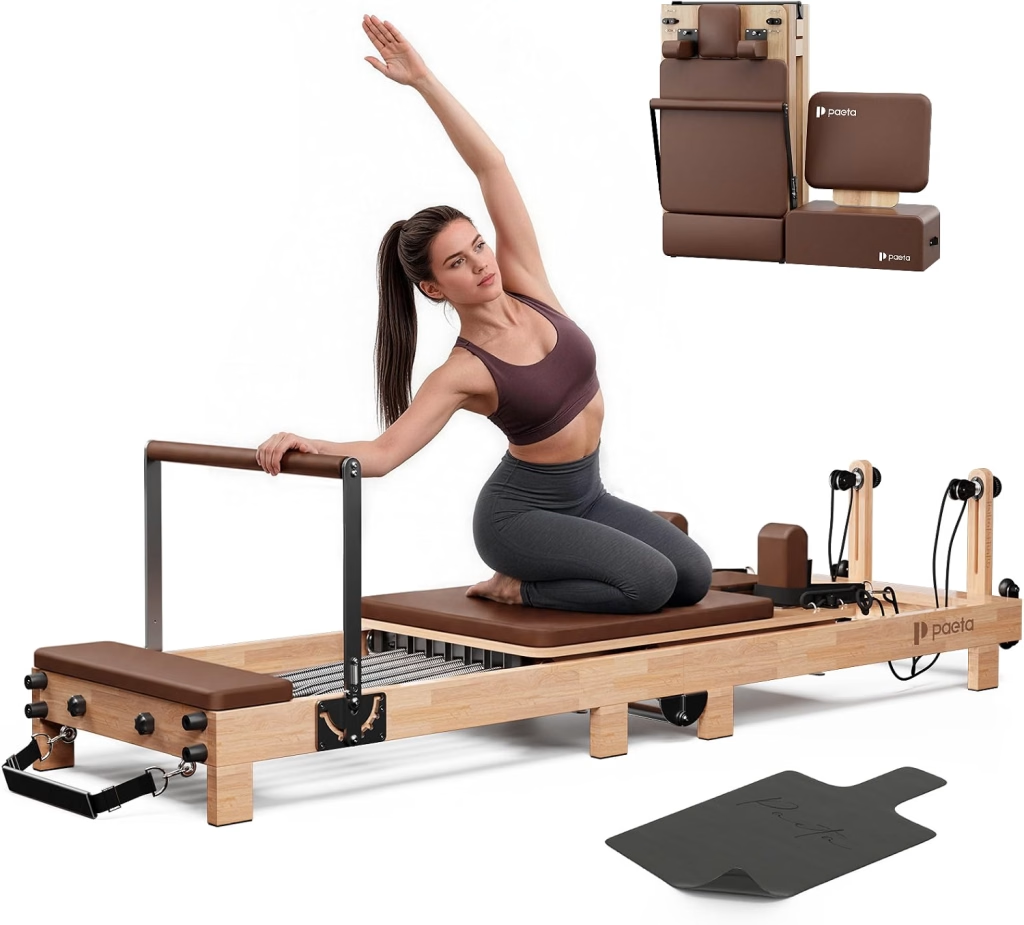
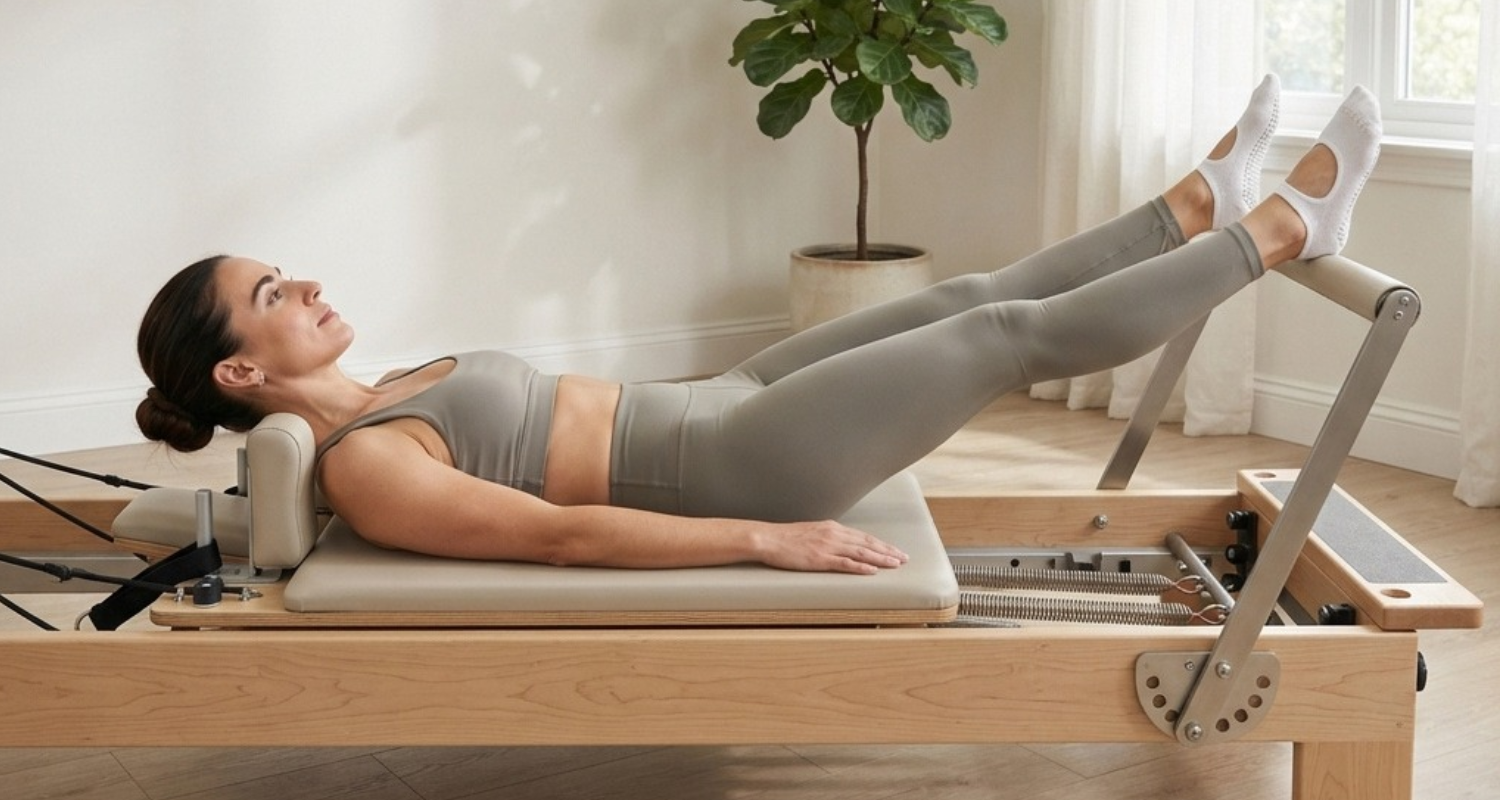
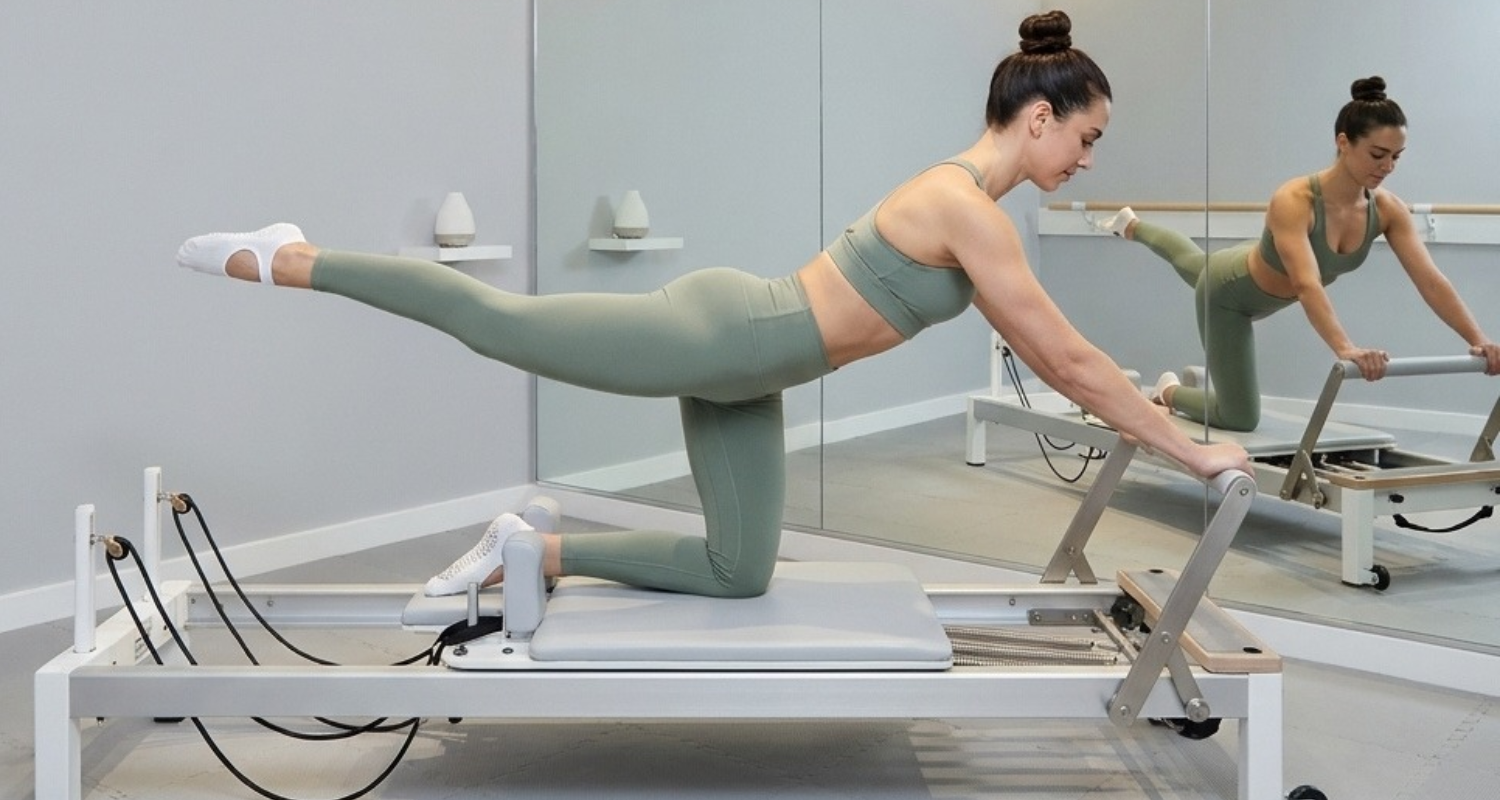
Pilates reformer or compact rowing machine. If your training style and budget justify a larger piece of equipment, choose a reformer or a rower designed for compact storage. Check both operating and storage dimensions before buying.
Yoga mat. Olive, sand, terracotta, or muted brown can work beautifully in a Naturalist gym.
Kettlebells. Choose a small selection in warm or neutral matte finishes.
Natural-fiber rug. A woven rug can help soften the room’s appearance, particularly in a mobility or relaxation area. Keep it away from exercises that require a firm, non-slip surface.
What to Skip
Large power cages, extensive weight plate collections, and bulky commercial equipment can visually overwhelm this aesthetic in a small room. That’s not to say you can’t lift heavy weights in a Naturalist gym. But if heavy strength training is your main priority, you’ll need to balance the equipment’s functional requirements with the softer visual palette.
Never sacrifice appropriate flooring or equipment safety for appearance.

Lighting: Daylight First
Whenever possible, take advantage of natural light. Position your mat or main training area where you can enjoy the window without creating uncomfortable glare. For evening workouts, use layered 2700K lighting.
Warm lamps and soft ambient lighting complement wood, plants, and earth tones far better than harsh overhead fixtures.
Mirror Placement
Choose a wood-framed or frameless full-length mirror. Position it to reflect natural light into the room where possible. This helps brighten the space while maintaining the relaxed, organic appearance.
Best for: Pilates, yoga, mobility, light strength training, and low-impact cardio in spare bedrooms or living rooms.
Performance Studio: A Boutique Fitness Experience in a Small Room
Have you ever walked into a small boutique fitness studio and noticed how much larger it feels than it actually is? That’s the inspiration behind the Performance Studio. It’s bright, precise, organized, and designed around the training experience.
And when executed properly, it’s one of the most effective small space home gym ideas for creating a professional-looking environment.

The Layout
Even in a room under 150 square feet, try to establish three distinct areas:
- Your primary training station
- An open floor area
- A dedicated storage wall
These don’t need to be physically separated. The idea is simply to give each part of the room a purpose. Align your equipment with the walls, keep your storage organized, and pay attention to symmetry wherever practical. Those small details make the room feel intentional.
What Equipment Should You Buy?
Compact functional trainer. If cable-based training is a major part of your routine, a compact functional trainer can serve as your main equipment station.

Wall-mounted folding rack or compact power rack. If you prefer barbell training, this may be a better centerpiece than a cable machine.
Compact rowing machine or cardio equipment. Look for a model that can be safely stored upright or otherwise moved out of the training area.

What to Skip
Avoid buying too many pieces of equipment in mismatched finishes. A large mirror will reflect nearly everything in the room, making visual inconsistencies and clutter even more noticeable. I’d rather have a few coordinated pieces of equipment than a dozen competing for attention.
Lighting: Bright, Even, and Precise
Track lighting combined with a ceiling perimeter LED strip is an excellent choice. The adjustable track heads allow you to direct light toward your main training areas, while the perimeter strip helps soften shadows and illuminate the edges of the room.
For color temperature, consider:
- 3000K: A warmer appearance that works well for strength training and recovery.
- 4000K: A cleaner, brighter appearance suited to a boutique Pilates or conditioning studio.
Keep the color temperature consistent across your fixtures and position them to avoid distracting reflections in the mirror.

Mirror Placement
If your budget and room layout allow, a full-wall mirror is one of the highest-impact upgrades you can make. It creates a greater sense of depth, reflects your lighting, and reinforces the professional studio appearance.
Plan the mirror wall before installing equipment or storage.
Best for: Spare bedrooms and basements where you want a dedicated, polished, and highly organized training environment.
Which Room Is Best for a Small Home Gym?
Choosing an archetype is only part of the process. The type of room you’re working with also plays a major role in determining which equipment and design decisions make sense. Here’s how four common home gym locations compare.
Garage Corner
A garage corner is often one of the easiest spaces to turn into a functional strength-training gym. You typically have a concrete floor and may benefit from additional ceiling height.
The Athlete Cave and Industrial Loft are natural fits because their materials and equipment complement the existing structure. The main challenges are temperature fluctuations and keeping your training area separate from vehicles, tools, and other garage storage.
Spare Bedroom
A spare bedroom is probably one of the most common locations for a small home gym. The Clean Minimalist, Naturalist, and Performance Studio all work particularly well here. Just pay attention to ceiling height, floor load capacity, and noise. If you’re training upstairs, heavy equipment and dropped weights deserve extra consideration.
Living Room
A living room can be a little more challenging because it usually needs to serve multiple purposes. You don’t want your gym to interfere with the rest of your household.That’s why the Clean Minimalist and Naturalist are such good options.
Folding benches, adjustable dumbbells, roll-up mats, and furniture-style storage can help the room transition between everyday living and training.
Basement
A basement can be an excellent location for a small dedicated gym. The Athlete Cave benefits from the naturally enclosed atmosphere, while the Performance Studio can take advantage of the controlled lighting environment.
The biggest consideration is moisture. Check for signs of water intrusion before installing equipment or flooring. A plastic-sheet moisture test can serve as a preliminary check for moisture moving through a concrete slab.
Address any underlying problems, use a compatible concrete sealer where appropriate, and consider a dehumidifier to maintain relative humidity below approximately 50%. A little preparation can prevent expensive problems later.

Small Home Gym Equipment by Footprint
Sometimes the easiest way to decide whether a piece of equipment belongs in your gym is to look at how much space it actually occupies.
Here’s a quick reference guide.
| Equipment | Approximate footprint | Stores away? | Best archetypes |
|---|---|---|---|
| Adjustable dumbbells | 2 x 1 ft | Yes, in cradle | All five |
| Folding bench | 4 x 1.5 ft open | Yes | All five |
| Wall-mounted folding rack | 4 x 1 ft folded | Yes | Athlete Cave, Industrial Loft, Performance Studio |
| Kettlebells | 1 x 1 ft each | On a shelf or rack | Industrial Loft, Naturalist |
| Suspension trainer | Wall anchor only when stored | Yes | Clean Minimalist, Naturalist |
| Folding walking pad | 5 x 2 ft | Yes | Clean Minimalist, Naturalist |
| Upright-storing rower | 2 x 2 ft stored | Yes | Naturalist, Performance Studio |
| Pilates reformer | 8 x 2 ft | Some models fold | Naturalist |
| Functional trainer | 4 x 4 ft | No | Performance Studio |
These dimensions are approximate and vary by manufacturer.
Remember that an equipment footprint isn’t the same as the amount of space you’ll need to use it. A suspension trainer may occupy almost no space when stored, but you’ll still need room to perform the exercises.
Similarly, a folding rack may sit close to the wall when closed but require considerably more space when opened. Always check the manufacturer’s operating dimensions, storage dimensions, and recommended clearances against your floor plan.
Build the Room You’ll Actually Use
Here’s what I want you to take away from this guide. A small home gym isn’t necessarily an inferior home gym. In some ways, having less space can encourage you to make better decisions.
You’re forced to think carefully about which equipment you actually need, where everything belongs, and what kind of environment makes you want to train. And that’s not a bad thing.
Whether you’re building a dark and focused Athlete Cave, a peaceful Naturalist retreat, or a polished Performance Studio, the same principle applies.
Every piece of equipment should earn its place. Every design decision should support the atmosphere you’re trying to create. And every square foot should serve a purpose—even if that purpose is simply giving you room to move.
The best small space home gym ideas aren’t about squeezing as much equipment as possible into a room. They’re about creating an environment that makes you want to show up consistently.
Because a thoughtfully designed 150-square-foot gym can be far more inviting and effective than a room twice its size that’s filled with equipment you rarely use.
Your Iron Paradise doesn’t need to be bigger. It needs to be yours.
If you’re still deciding which home gym aesthetic fits your personality and training style, the free SOMA Dream Gym Style Guide walks you through all five archetypes, with mood boards, layouts, lighting strategies, and equipment recommendations to help you bring your vision to life.
Leave a Reply